Author name: Nathan Baws

Internet Marketing Keynote Speakers Brilliant Event Guide
Speaker, Business Speaker

Australia’s Leading Internet Marketing Keynote Speakers: A Practical Guide for Event Organisers and Businesses

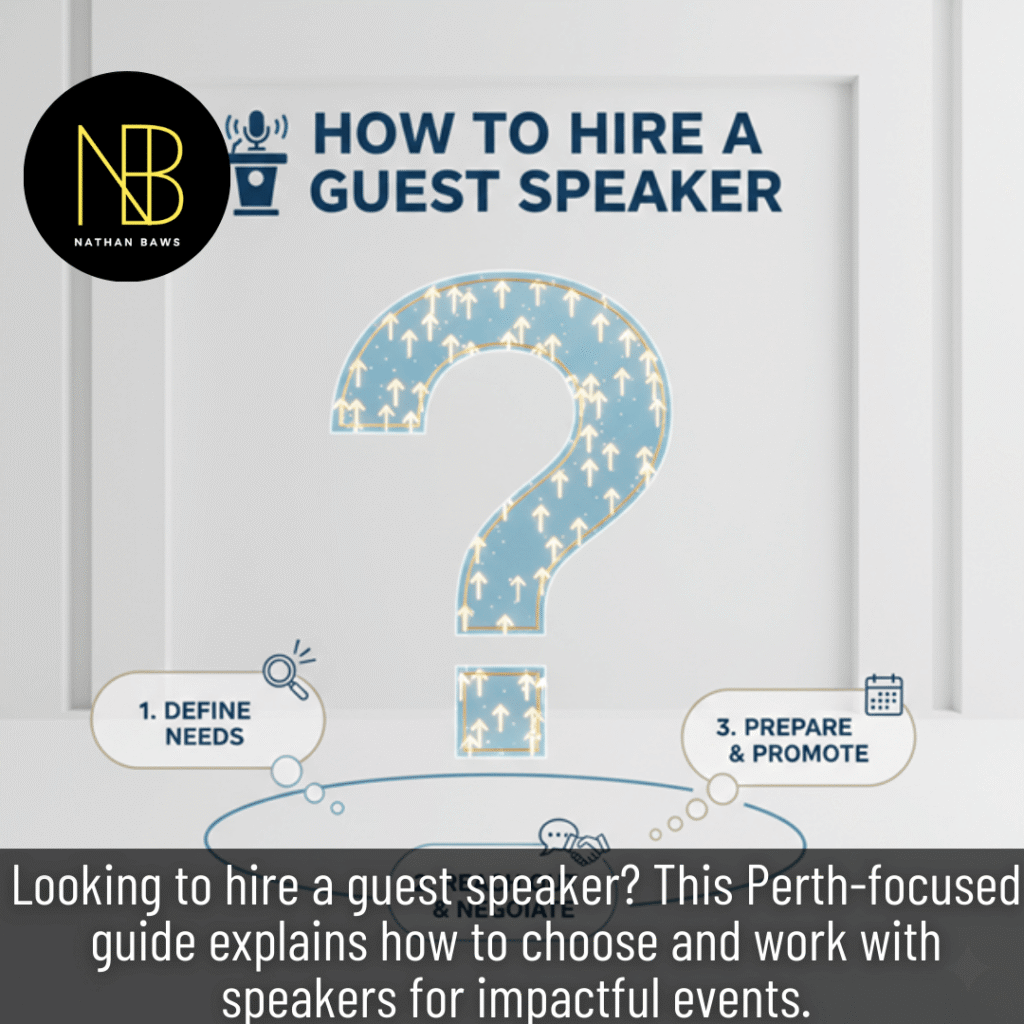
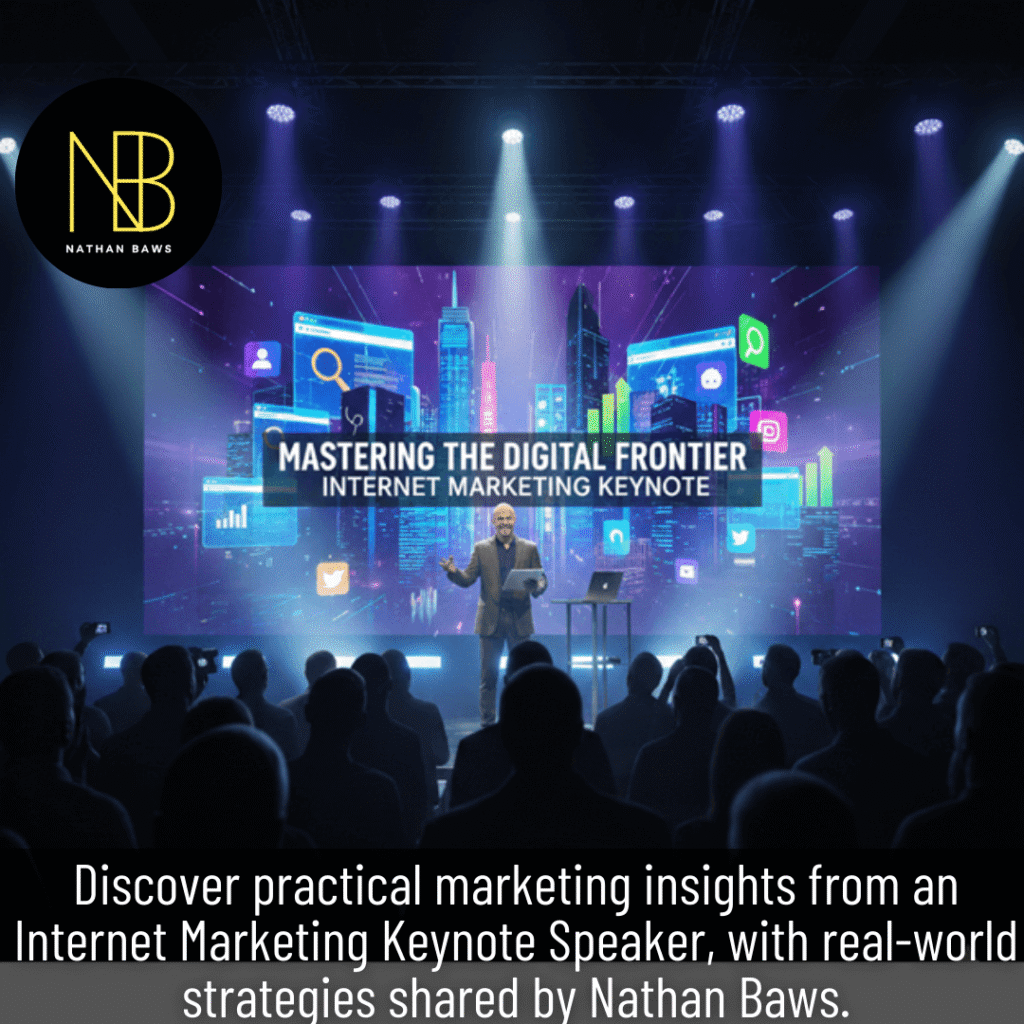
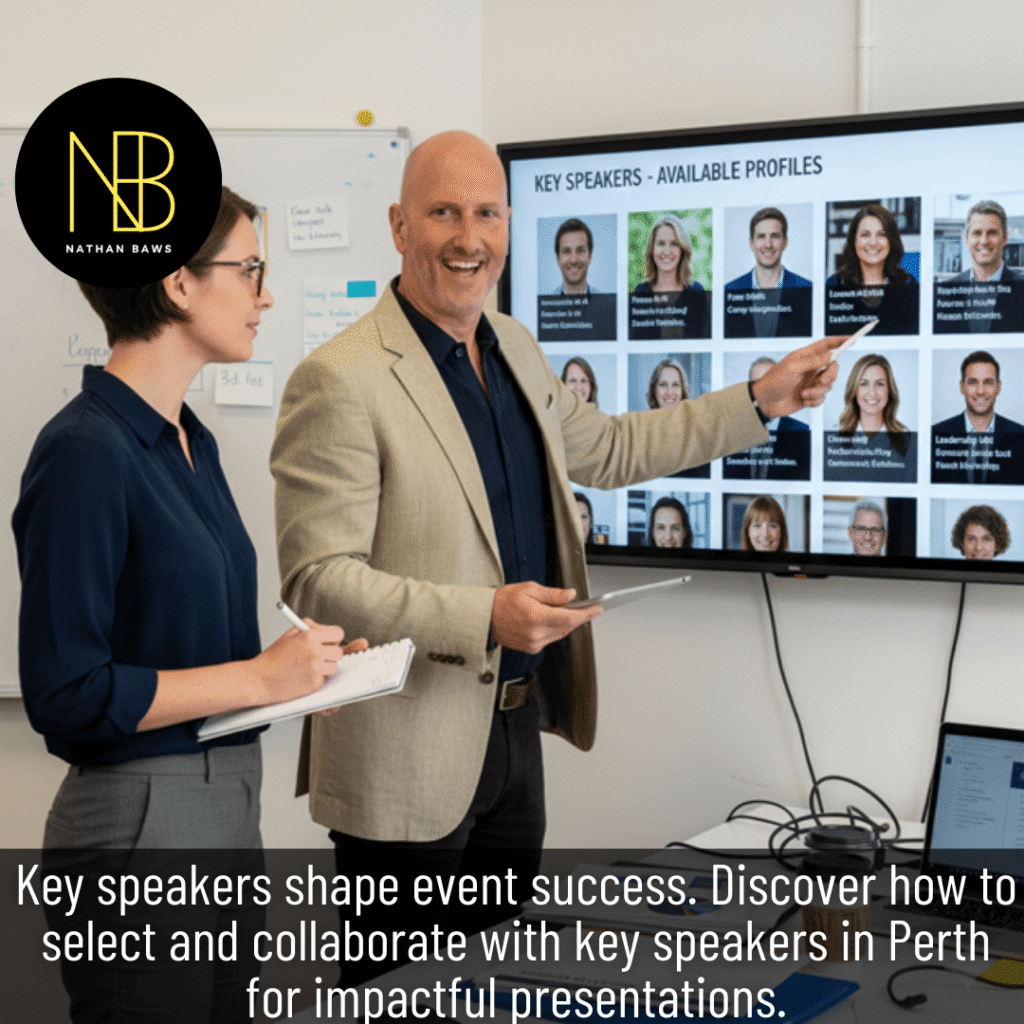
Introduction G’day. My name is Nathan Baws, and over the past fifteen years, I’ve built, scaled, and sold several online businesses right here in Australia. I’ve also had the privilege of speaking at more than 300 events – from small breakfast briefings in Perth to packed-out conferences in Sydney. Whenever someone asks me who the best internet marketing keynote speakers are, or how to pick one for an Australian audience, I always start with the same thought: the speaker you choose will either leave your crowd buzzing with fresh ideas they actually use, or they’ll deliver a polished talk that’s forgotten by lunchtime. That’s why I decided to write this detailed guide. I want event organisers, business owners, CEOs, marketing managers, and even university program directors across Australia to have a straightforward resource that cuts through the noise. Below you’ll find everything I’ve learned about what separates average speakers from the ones who genuinely move the needle. Key Takeaways Before You Book Any Internet Marketing Keynote Speaker Let’s go deeper. Why Internet Marketing Keynote Speakers Matter More Than Ever in Australia The digital spend in this country is exploding. According to the IAB Australia report released in March 2025, total online advertising reached $15.3 billion in the last financial year and is growing at 11% year-on-year. Every business –  whether you’re a tradie in Townsville, a fashion brand in Melbourne, or a SaaS company in Brisbane –  now lives or dies by its online presence. Yet most teams are still guessing. They run Meta ads because “everyone else is”, they post on LinkedIn because head office says so, and they wonder why the phone isn’t ringing. A strong internet marketing keynote speaker bridges that gap in 60 minutes. They show what’s actually working right now, in this market, under our privacy laws, and with our unique consumer behaviour. The Shift from Theory to Implementation I’ve sat in the audience myself and watched overseas “gurus” quote American stats that mean nothing here. A great Australian-based internet marketing keynote speaker quotes eCommerce growth in regional Queensland, conversion differences between Sydney and Perth postcodes, and real cost-per-lead numbers from campaigns running this month. Building Internal Buy-In When your leadership team or franchisees hear the same message from an external expert, suddenly the new strategy isn’t “Nathan’s idea” or “the marketing department’s pet project”. It becomes the obvious next step. Shortening the Learning Curve Most businesses take 12–18 months to figure out a new channel correctly. One well-structured keynote can compress that into weeks because people leave knowing exactly which three things to test first. Core Qualities I Look For When Recommending Internet Marketing Keynote Speakers Experience trumps everything. I want someone who has spent millions of dollars of their own (or their clients’) money online and can show the receipts. Hands-On Campaign Experience Look for speakers who still run campaigns today. If the last time they logged into Google Ads was 2018, walk away. Australian Market Understanding Privacy laws, the ACCC, two-click payment systems like Zip and Afterpay, and our love/hate relationship with Facebook –  these shape every campaign. The speaker must know them inside out. Teaching Ability Over Showmanship Flashy slides and loud music are fun for five minutes. Clear frameworks, live examples, and repeatable processes are what people thank you for six months later. Willingness to Customise Every audience is different. A room full of franchise owners in Adelaide needs different takeaways to a group of Year 12 business students in Cairns. The best internet marketing keynote speakers ask questions weeks beforehand and build the talk around your specific goals. The Topics Australian Audiences Ask For Most in 2025–2026 I keep a running list from the booking inquiries that land in my inbox. Here are the sessions getting requested week after week. AI-Powered Advertising That Still Feels Human Everyone wants to use Advantage+ and Performance Max, but most accounts are bleeding money because the creative is missing. Audiences love practical sessions on prompt engineering for ad copy, dynamic creative optimisation, and keeping brand voice consistent. Zero-Party Data and Post-Cookie Survival With third-party cookies finally on the way out, Australian businesses are scrambling. Speakers who can walk through quizzes, preference centres, and loyalty loops that actually work in our market are in hot demand. Local SEO in a Mobile-First, Voice-First World “Near me” searches have grown another 31% year-on-year. Tradie businesses, medical practices, and regional retailers need speakers who can explain Google Business Profile updates, review strategies, and schema markup in plain English. Turning Social Media Into a Revenue Engine The days of “post and pray” are over. Detailed breakdowns of UGC funnels, Spark Ads, WhatsApp broadcast lists, and community-led growth resonate hugely –  especially with e-commerce brands and professional services firms. Omnichannel for Brick-and-Mortar Chains Retail groups and franchise networks want to know how to attribute in-store sales properly to online spend. Sessions that tie together GA4, offline conversion imports, and incrementality testing are packing out rooms. How to Choose the Right Internet Marketing Keynote Speaker for Your Australian Event I give a step-by-step process to every conference organiser who calls me. Step 1 – Clarify Your Outcome Do you need inspiration, education, or both? A university wants students to walk away excited about career possibilities. A corporate sales kick-off wants 50 new leads per rep in the next quarter. Step 2 – Set Your Budget Early Be honest. Most Australian conferences budget $6,000–$12,000 for a lunchtime or breakfast keynote once travel and accommodation are included. Step 3 – Watch Full-Length Videos Anyone can edit a slick 90-second reel. Ask for an unedited 45–60 minute keynote from the past six months. Pay attention to audience reactions and the number of phones that are down. Step 4 – Speak to the Speaker Directly A ten-minute phone call tells you more than 50 emails. Do they ask about your audience, your challenges, and your industry? Or do they just send a rate card? Step 5 – Check References from Australian Events One

keynote speaker costs: Valuable Guide for Stress-Free Events
Speaker, Keynote Speaker

Understanding Keynote Speaker Costs: A Practical Guide for Australian Event Organisers

Introduction I am Nathan Baws, and I’ve been speaking at events across Australia for over twenty years. The question I’m asked most often is still the same: “Nathan, how much should we actually budget for a decent keynote speaker?” It’s a fair question. No one wants to blow the budget, but no one wants a forgettable talk either. Over the years, I’ve sat on both sides of the table- as the organiser scrambling to make numbers work, and as the speaker quoting my fee. So let me give you the straight breakdown of keynote speaker costs in this country, based on what I see every single week. Quick numbers before we dive in (these are 2025 Australian Keynote Speaker Costs): That’s the range. Where you land depends on a handful of very predictable things. What Actually Drives Keynote Speaker Costs in Australia Years in the Game and Real Results I started charging $3,000 a talk when I was still running my second business. Today, the number is higher because I can point to companies that have added millions in revenue after applying what I teach. Organisers pay for evidence, not just stories. A speaker who has built and sold companies, or turned around teams, or held a world record (yes, the ice bath one still comes up) simply costs more because the audience trusts the message faster. Travel and Where Your Event Is If your conference is in Sydney or Melbourne and the speaker already lives there, travel is usually zero or a flat $500 city fee. Fly someone from Brisbane to Perth and you’re suddenly looking at Keynote Speaker Costs between $2,000–$4,000 in flights and accommodation on top. Audience Size and Event Type Fifty people in a hotel breakout room is very different from eight hundred in the ICC Sydney. Bigger stages need bigger energy, better production, and usually more prep. That’s why the Keynote Speaker Costs jump. Same with format. A 45-minute keynote is one thing. A full-day masterclass with breakout groups is priced entirely differently. Current Keynote Speaker Costs- Real Examples Corporate growth/sales keynotes (my main topic) Mindset and resilience talks Hidden Keynote Speaker Costs Most Organisers Forget Ask for an all-in quote, or you’ll get stung. How to Keep Keynote Speaker Costs Under Control Without Looking Cheap Book early. I’m already locked in for most of November 2026. Last-minute bookings cost 20–30% more because you’re bumping someone else. Offer a multi-year deal. I’ll knock 15% off year two if you commit now. Bundle sessions. A morning keynote and an afternoon workshop are usually cheaper per hour than two separate bookings. Go virtual or hybrid if travel is killing the budget. My virtual keynote fee is $8,500 flat- no travel. When It’s Worth Paying the Higher Fee I spoke at a construction company’s national conference in Adelaide last year. They paid $28,000 all-in. Six months later, the GM told me the sales team had closed an extra $4.2 million, directly linked to the pipeline strategy we built that day. That’s the maths that matters. A $15,000 savings on a cheaper speaker would have cost them millions in lost momentum. Conclusion The cheapest Keynote Speaker Costs are rarely the best value, and the most expensive aren’t always the smartest choice. The right investment is the one where the message sticks and your people actually do something different on Monday morning. If you’re planning an event anywhere in Australia and want a clear, upfront conversation about what’s possible on your budget for Keynote Speaker Costs, send me a message through the contact form at https://nathanbaws.com/. I answer every single one myself. Let’s make your next event the one people still talk about a year later. FAQs What’s a realistic budget for a good keynote speaker in Australia right now? For a solid, experienced speaker who moves the needle, budget $12,000–$25,000 all-in for most capital-city corporate events. Regional and educational events can be done well for $6,000–$12,000. Why do some speakers cost $50,000+? They’re usually former CEOs, elite athletes, or global names with massive drawing power. You’re paying for the “wow” factor and the guarantee that the room will be complete. Do speakers ever drop their fee? Yes- for charities, education, multi-year deals, or when it’s a quiet week. Never be afraid to ask, but always ask respectfully. Is travel always extra? Almost always, unless the speaker is local or has included it in a flat fee, I quote travel separately so clients see exactly what they’re paying for. Are virtual keynotes worth it? Absolutely, if the content is interactive, I run polls, breakout rooms, and Q&A the same way live. And you save thousands on travel. How far ahead should we book? Six to twelve months for popular dates. I’m already getting 2026 enquiries. What’s included in a standard fee? Typically, the talk itself, basic slides, and one round of content tweaks. Travel, accommodation, recording rights, and workshops are separate. Can we film the talk? Most speakers charge extra for commercial recording rights- usually 25–50% of the fee. Do you charge more on weekends? Some do. I don’t- Friday night or Saturday is the same rate as Tuesday. What if our budget is only $5,000? There are excellent emerging speakers at that price, especially locally. Or look at half-day shared events where two organisations split the cost.

Australia’s top leadership speakers: Powerful Voices in 2026
Business & Entrepreneurship

Australia’s Top Leadership Speakers: Who Actually Moves the Needle in 2025 and Beyond

Introduction I’m Nathan Baws. For the last fifteen-plus years, I’ve either been the one on stage or the person organisers call when they need straight answers about who is worth the investment. Every week I get emails from Sydney, Perth, Brisbane, regional Queensland and everywhere in between asking the same question: “Who are Australia’s top leadership speakers right now- the ones who actually shift thinking and behaviour, not just fill an hour?” This guide is the exact conversation I have over coffee with clients. No fluff, no recycled brochure copy, just what I’ve seen work (and what hasn’t) at hundreds of Australian events. Key Takeaways You Can Use Today What Actually Makes Someone One of Australia’s Top Leadership Speakers They’ve Done It, Not Just Read About It Australia’s top leadership speakers have real runs on the board- they’ve led teams through mergers, turned around failing divisions, built cultures from scratch, or steered organisations through crisis. I’ve watched speakers who spent twenty years in the mining sector talk to Perth audiences and have the entire room leaning forward because every example hits home. They Speak Australian The speakers getting booked repeatedly right now understand the difference between a Melbourne corporate crowd and a regional Queensland council team. They reference things we all lived through- the 2019-20 summer, the lockdowns that never quite happened in WA, the rapid shift to hybrid work. That cultural shorthand is priceless. Audience Feedback That Actually Means Something The real top tier keep folders of evaluations from the last six months, not glowing quotes from 2018. When I’m helping someone choose, I ask for the three most recent score sheets from events that look like theirs. That tells you far more than any website testimonial. The Themes Australia’s Top Leadership Speakers Are Nailing Right Now Leading Through Constant Change Change fatigue is real. Australia’s top leadership speakers are giving practical frameworks for helping teams cope when the goalposts move every quarter think supply-chain chaos for Brisbane manufacturers or regulatory shifts for Sydney financial services firms. Inclusive Leadership That Actually Works Diversity statements are easy; building genuinely inclusive teams is hard. The speakers getting traction are the ones who’ve done it- Indigenous leaders showing how to create real psychological safety, or women who’ve smashed glass ceilings and brought the whole team with them. Sustainable Performance Without Burnout After the last few years, no one wants another “hustle harder” talk. Australia’s top leadership speakers are focusing on energy management, boundary setting, and building cultures where high performance and wellbeing coexist. Who’s Actually Getting Booked: Real Names from the Current Circuit Business Leaders with Skin in the Game Naomi Simson, Creel Price, and Holly Ransom still top many lists, but the new wave includes people like Matt Church and Bernadette McClelland, who’ve been in the trenches building speaking careers while running actual companies. Sports Figures Who Translate Damien Hardwick after the Richmond rebuild, Kurt Fearnley on resilience, Alicia Molik on high-performance cultures- these are Australia’s top leadership speakers when you need a room of 500 to sit up and listen. Indigenous and First Nations Voices Warren Mundine, Dean Parkin, and emerging leaders like Teela Reid are some of the most sought-after voices right now. Their blend of cultural wisdom and hard-headed business sense is changing conversations in boardrooms from Darwin to Hobart. How to Choose the Right One from Australia’s Top Leadership Speakers Start with Your Outcome, Not the Name Ask yourself: twelve months from now, what do we want people doing differently? Then work backwards to the speaker who’s actually done that thing. I’ve seen events waste budget on big names who delivered nothing the organisation could use on Monday morning. Have the Briefing Call Early Every one of Australia’s top leadership speakers worth booking will jump on a 30-minute call four to six weeks out. If they won’t, walk away. That call is where the generic keynote becomes your keynote. Look at Hybrid Capability The best now turn up live in the room and simultaneously run chat, polls, and breakouts for the remote cohort. I’ve done events where half the audience was in Perth offices and half in the Sydney convention centre- same energy, one fee. Getting the Most Value from Australia’s Top Leadership Speakers Don’t Let Them Be a One-Hit Wonder The most innovative organisations film the session (with permission), cut it into five-minute clips for internal comms, and run follow-up Zoom huddles at the one-month and three-month marks. That’s how you turn a keynote into actual change. Use Them to Kick Off a Program, Not Tick a Box Pair the external speaker with internal facilitators who take the same language and run workshops for the next six months. I’ve watched this turn good events into genuine cultural shifts. Create Space for Real Conversation Allow at least 20 minutes for Q&A, and make it genuine. Australia’s top leadership speakers shine when the microphone gets passed around- that’s when the gold comes out. Emerging Names- Australia’s Top Leadership Speakers You Might Not Have Heard of Yet Regional Powerhouses People like Dr Kirstin Ferguson (now national but started in Queensland resources) and Janine Garner are still accessible and devastatingly good. Book them before their diaries fill permanently. Next-Generation Voices Watch for speakers like Grace Tame on moral courage, Yasmin Poole on generational leadership, and Thomas Mayo on truth-telling in organisations. They’re speaking to mixed crowds of Gen X executives and Gen Z graduates and somehow landing with both. Industry-Specific Experts The mining sector has its own superstars, education has people like Pasi Sahlberg who understand Australian classrooms, and healthcare has voices who led through the pandemic. These niche experts often outshine the generalists when the brief is tight. The Practical Stuff: Booking Australia’s Top Leadership Speakers Without the Drama Timing and Availability The best dates for Australia’s top leadership speakers are available 12 to 18 months out. If you’re looking at Q1 or September–October, start yesterday. Budget Reality You’ll pay $6,000–$ 25,000+ GST, depending on your profile and

Keynote Speaker, Speaker

Affordable Keynote Speakers: How to Find Inspiration That Fits Your Budget in Australia

Introduction I’m Nathan Baws, and for the past fifteen years, I’ve been the one on stage at everything from the big Sydney conferences to the local footy club fundraisers in regional Victoria. More importantly, I’m also the person organisers call in a panic when they realise their speaking budget is half what they hoped. The good news? You don’t need to spend fifty grand to get a speaker who shifts the room. Some of the best affordable keynote speakers in this country are right under your nose, charging sensible money and packing venues. This guide is everything I tell clients over a coffee when they want the unvarnished truth about finding affordable keynote speakers that actually work. Key Takeaways What “Affordable” Really Means on the Ground in Australia Right Now The Real 2025 Price Bands (including travel and GST) From the hundreds of enquiries I get every year, this is how the market actually looks: For almost every corporate kick-off, association conference, school leadership day or regional council event I’m involved in, affordable keynote speakers sit in the first two bands. That’s the sweet spot. The Hidden Extras That Kill Budgets I’ve seen organisers go white when the “$10k speaker” suddenly becomes $17k because they forgot Perth–Brisbane return flights in school holidays, two nights’ accommodation during the Melbourne Cup carnival, or the 25% agency commission. Affordable keynote speakers become very unaffordable if you don’t add those lines early. Where to Actually Find Affordable Keynote Speakers Who Pack a Punch Start with Australian-based professionals A speaker who already lives in Melbourne, Sydney, Brisbane, or Adelaide saves you thousands before they’ve even opened their mouth. I’m Melbourne-based, so Queensland or South Australian gigs are one flight and one ordinary hotel night, nothing fancy. Look for Rising Stars and Genuine Experts The most powerful talks I’ve seen lately came from hospital CEOs who led through the pandemic, Indigenous business owners turning over millions in remote communities, or engineers actually solving real climate problems. These are affordable keynote speakers with calendar gaps who charge realistic rates. Former Athletes and Adversity Survivors Australia keeps producing Olympians, Paralympians, and people who’ve stared down massive hardship. Many have become outstanding speakers, charging $5,000–$12,000. I’ve followed several, and the room is still buzzing hours later. How to Talk Budget Without Stuffing It Up Lead With the Real Number The single best line you can use: “We’ve got $9,000 including travel and GST for the keynote-can we make that work?” Honest, respectful, and it instantly sorts who’s in the affordable keynote speakers zone. Offer the Dates Nobody Else Wants Tuesday–Thursday, or regional locations, are nearly always cheaper because they fill quiet periods. I knock 15–20% off myself for regional Victorian schools or mid-week South Australian corporates. Share the Stage Two affordable keynote speakers for 30–35 minutes each, plus a conversation, often costs less overall than one big-name speaker for an hour, and the audience stays fresher. Hybrid and Virtual-The Biggest Bargain in Years Pure Virtual Done Right A cracking 45-minute virtual keynote with live Q&A from someone who’d usually be $15k onsite now sits between $3,000 and $8,000. I still do heaps of these for clients, from Broome to Bega. Hybrid Is the New Gold Standard Turn up live in the central city, stream professionally everywhere else. One fee, one lot of travel, entire organisation covered. Mining companies, government departments, and franchises do it every month. Timing Tricks That Unlock Affordable Keynote Speakers Book 12–18 Months Early The best dates at a sensible price point vanish first. Start eighteen months out, and you’ve got the pick of the calendar. Target the Quiet Periods The fortnight before Christmas, most of January, weeks around school holidays, speakers see the gaps and get flexible. How to Spot Real Value (Not Just Flashy Marketing) Demand a Full Recent Video Anyone can make a three-minute reel look brilliant. Ask for a complete keynote, even if it’s shot on a phone from the back row. Recent Feedback From Similar Gigs Quotes from five years ago are meaningless. Ask for evaluations from the last three Australian events that are similar to yours. How Much Prep Do They Actually Do? The best affordable keynote speakers treat every gig as a partnership. I schedule a proper briefing call a month out and read whatever internal docs you’re happy to share. Negotiating Like an Australian (No Dramas) Gratitude First, Truth Second Start with a genuine thanks, state your budget reality, and ask what’s possible. Most of us would rather find a way than walk away. Trade Extras Instead of Pure Dollars Follow-up Zoom for leadership, signed books for the top table, short promo video- these cost us almost nothing but make the deal feel richer. Lock in Multi-Year Deals If you run regular events, offer a three-year commitment at a slightly reduced rate each time. Affordable keynote speakers love the certainty. Why Local Talent Almost Always Wins on Value They Just Get Us Australian speakers understand the summer of 2019–20, the lockdown that never quite happened in WA, and the unique pressures on regional towns. The references land instantly. No Time-Zone Nightmares Briefing calls at sensible hours, no currency shocks, no speaker stuck overseas if something goes pear-shaped. Keeps the Industry Healthy Money spent on local affordable keynote speakers stays here and keeps the talent pool strong for everyone. Conclusion Finding affordable keynote speakers who actually move the needle is straightforward when you know the game: look local first, be brutally upfront about money, get creative with format, and book early. Do those four things and you’ll land someone outstanding every time-without ever having to explain to the CFO why the speaking line is bigger than catering. I’ve seen it work for tiny rural conferences with 120 people through to national events with 2,000 delegates. The difference is always the same: a proper conversation instead of a transactional quote. If you’ve got an event coming up and want a hand navigating the options, drop me a line any

Business Development Consultant: Smart Strategies for Growth
Business & Entrepreneurship

Your Guide to Working with a Business Development Consultant in Australia

Introduction I’ve been in your shoes more times than I can count. You’re flat out running the day-to-day, the numbers are decent, but you know there’s another gear you just haven’t found yet. That’s exactly when I wish someone had sat me down 30 years ago and said, “Mate, bring in a good business development consultant now, not after you’ve burned another twelve months trying to figure it out yourself.” Hi, I’m Nathan Baws. Forty-three years, fifteen businesses built from scratch, no team hiding behind me-just me. Today, I work as a business development consultant with owners, corporate leaders, event organisers, educators, and ambitious students right across Australia. My job? Cut through the noise and get you moving faster toward the growth you can already feel is possible. This guide is written for every Australian who’s ready to stop treading water and start making serious ground. Quick Wins You Can Take Today What a Business Development Consultant Actually Does (in Plain English) People throw the title around, but here’s the reality from someone who lives it every day. A business development consultant rolls up their sleeves and finds the money you’re currently leaving on the table – then builds the engine to keep bringing it in. That means: I still do every single discovery session myself because no one else has lived my fifteen businesses – the wins, the cash-flow scares, the Shark Tank pitch, the Guinness record, the eight straight years as Australia’s top-selling supplement brand. That lived experience is what I bring when I sit down as your business development consultant. Clear Signs You Should Bring in a Business Development Consultant This Quarter I’ve seen these show up again and again from Darwin to Hobart: Any of those sound familiar? That’s the exact moment a business development consultant pays for themselves ten times over. The Frameworks I Use Every Single Week as a Business Development Consultant The 90-Day Revenue Sprint 1–2 weeks: Full audit (I look at everything – numbers, offers, team, market) 3–6 weeks: Pick the three highest-leverage moves 7–12 weeks: Execute hard, measure weekly, double down on what works Average outcome across my last twenty Australian clients: 21% revenue increase within the first quarter. Partnership Mapping Matrix I draw a simple grid on a whiteboard: The “Zero-Based” Pipeline Build Instead of hoping the phone rings, we build a pipeline from scratch that works in Australia – targeted LinkedIn sequences, industry event hit-lists, warm-intro scripts that actually get replies. Real Australian Stories (No Names, Just Results) How to Pick the Right Business Development Consultant for You Simple checklist I’d use myself: If the answer isn’t “yes” to all four, keep looking. Where Business Development Consultants Are Heading in Australia AI will do the basic research. Automation will handle the boring follow-ups. What it can’t do is sit across the table (or Zoom) from a stressed owner at 7 pm on a Tuesday and say, “Here’s the exact move that got me out of this same hole in 2009 let’s do it together next week.” That human combination of strategy, psychology, and deal-making is what the best business development consultants will always bring – and it’s what I still love delivering every day. Look, if you’ve read this far, part of you already knows the next step. Conclusion I only take on a handful of new clients each quarter because I work with everyone personally. If you’re serious about making 2026 the year everything clicks into gear, let’s talk. Head over to https://nathanbaws.com/. Thirty-minute call, no cost, no hard sell – just two Australians talking straight about what’s possible for your business. P.S. Every single client who’s ever booked that first call has walked away with at least one actionable idea they implemented the same week – even if we never worked together after that. You’ve got nothing to lose and a faster future to gain. FAQs What does a business development consultant actually do day-to-day? I’m usually deep in numbers, talking to your team, mapping competitors, testing channels, and lining up conversations that turn into revenue. All focused on the fastest path to more profit. How fast do most Australian clients see results with a business development consultant? Quick wins within 30–60 days are normal; proper strategic lifts usually show within three to nine months once we’re executing hard. Is a business development consultant worth it for a small Australian business? 100%. The right business development consultant has already made the mistakes and can hand you the playbook that took them years to write. How is a business development consultant different from a business coach? Coach = mindset and leadership. Business development consultant = specific revenue projects with hard numbers attached. Do I have to hire a full-time business development consultant? Not at all. Most of my engagements run 3–12 months, I embed, transfer the skills, then get out of your way. Can a business development consultant help with grants and incentives? Yes – EMDG, R&D tax incentive, state growth funds – I’ve helped clients pull in millions using money that’s sitting there waiting. What industries do you cover as a business development consultant? Events, education, health, professional services, manufacturing, tech – anywhere in Australia with ambition. When do I know I’m ready for a business development consultant? When you’ve proven the model works, you’re making consistent revenue, but the “how do we double this?” question keeps you awake. Do you take equity? Never. Straight fee-for-value keeps everything clean and aligned. What’s the first step? Jump to https://nathanbaws.com/, pick a time that suits, and we’ll have a proper chat about where you are and where you want to go.

Business Coach in Australia: Bold Guide to Better Outcomes
Business & Entrepreneurship

Finding the Best Business Coach in Australia: A Practical Guide for Real Results

Introduction If you’ve ever typed “business coach in Australia” into Google, you’re probably looking for clarity. You want to know who can actually help you move the needle, whether you run a cafe in Perth, organise events in Sydney, lead a corporate team in Brisbane, teach at a university, or you’re a student with a big idea. My name is Nathan Baws. I’ve started and run 15 businesses in Australia over the last 43 years. Some flew, some crashed, and every one of them taught me something I now pass on one-on-one: no team, no assistants, no scripts, just me working directly with you. This guide is written for Australians who want straight talk, not fluff. I’ll show you exactly what to look for, what to avoid, and how to get real value from a business coach in Australia. Key points before we go deeper: Let’s get into it. Why Australian Businesses Need Local Coaching Australia isn’t Silicon Valley. We have vast distances, high wages, thin margins in many sectors, and a tax system that keeps you on your toes. A business coach in Australia who has never paid Australian GST or dealt with Fair Work is guessing half the time. The Difference Between Global Advice and Australian Reality I’ve sat through American “gurus” telling me to hire 20 staff in year one. That works in Texas. It can bury you in Adelaide. A genuine business coach in Australia knows when to grow fast and when to grow smart. Who Actually Benefits from Coaching Here Everyone from tradies in regional Queensland to ASX-listed executives in Sydney. I’ve worked with festival directors who doubled attendance, restaurant owners who survived lockdowns, and university students who turned side hustles into six-figure businesses. The Cost of Going It Alone I lost $180,000 on one venture because I refused to ask for help. Most owners I meet have their own version of that story. A few thousand invested early usually saves tens or hundreds of thousands later. How to Pick the Right Business Coach in Australia Not all business coach in Australia are equal. Here’s how to separate the real ones from the noise. Experience Over Certificates A piece of paper from an overseas coaching school means little if the person has never run payroll in Australia. Ask: “What businesses have you personally built or turned around here?” Proof That Lives Locally Check if their examples mention real Australian places, challenges, and outcomes. Anyone can claim “helped a client make millions,” ask for the story behind it. One-on-One, Not One-to-Many Many “business coach in Australia” run group programs and never speak to you directly. I don’t. Every session, every strategy, every follow-up call is between me and you, with no delegation. What Actually Happens in Effective Coaching Sessions Real sessions aren’t cheerleading. They’re working meetings. Week-to-Week Accountability That Works We set three priorities, measure them, and adjust. I’ve had clients increase turnover 42% in six months simply because someone kept them honest every fortnight. Fixing the Hidden Leaks First Most businesses lose money in places the owner can’t see pricing, staffing, and marketing waste. We find those leaks fast. Building Systems You Can Hand Over One Day Whether you want to sell, take a holiday, or just sleep at night, you need a business that runs without you being the bottleneck. Health and Focus – The Part Most Coaches Ignore You can’t outperform if you’re exhausted. I learned this the hard way after years of 80-hour weeks and burnout. Simple Daily Routines That Change Everything Ten minutes of the right movement, the right fuel, and the right breathing give you more clarity than three coffees. I teach clients these routines because I live them. The Dopamine Advantage I developed a straightforward eating and supplement protocol that keeps energy and mood stable. Clients tell me it’s the first time in years they finish a day without crashing. Why This Matters in Australia Long commutes, extreme weather, and a laid-back culture that hides stress – we need practical ways to stay sharp. Coaching for Different Australian Worlds One size never fits all. Event Organisers and Hospitality Owners Cash flow swings, weather risks, staffing dramas – I’ve run restaurants and events. We map contingencies and backup revenue streams. Corporate Teams and Executives Leadership presence, difficult conversations, and getting buy-in across departments. I’ve spoken to thousands of Australian corporate audiences – I know what lands here. Educators and University Staff Grant applications, industry partnerships, and turning research into revenue. I work with lecturers who want their work to matter outside the campus. Students and Early-Stage Founders Low-budget marketing, validating ideas fast, and avoiding the traps I fell into at 22. Red Flags Run the Other Way How to Get Started Without Risk Most people overthink the first step. Book a business coach in Australia for a single session. If it’s not the best business conversation you’ve had in years, you owe nothing. I’ve done this for 15 years – the vast majority keep going because they see immediate value. What a First Call With Me Looks Like We spend 60-90 minutes mapping exactly where you are, where you want to be, and the three biggest roadblocks. You walk away with a plan you can action the same week. No Long Contracts Month by month. If it’s not working for you, we stop. Simple. The Long-Term Payoff The clients who get the biggest results aren’t always the ones who spend the most money – they’re the ones who treat coaching as an investment, not an expense. I still get messages years later from people who say one conversation changed the trajectory of their business or their life. Conclusion Finding a reliable business coach in Australia doesn’t have to be hard. Look for someone who has built and run real businesses here, who works with you directly, and who measures success by your results, not their testimonials page. If you’re ready for straight-talking, practical help that fits the Australian way

Business coaches for entrepreneurs: Avoid costly mistakes
Business & Entrepreneurship

Unlocking Success: The Best Business Coaches for Entrepreneurs in Australia

Introduction I still remember the exact moment I realised I didn’t have to figure everything out alone and realised that I needed help from business coaches for entrepreneurs. I am Nathan Baws, and it was 3 a.m. in a tiny office in Perth, spreadsheets open, coffee cold, and I was staring at a cash-flow forecast that looked like a horror movie. I’d already built and sold a few businesses, but this one had me stumped. One phone call to a mentor I respected changed everything. Within 45 minutes, the fog lifted, the numbers made sense, and I slept properly for the first time in weeks. That’s the power of the right business coaches for entrepreneurs. Not theory. Not hype. Just someone who’s been in the trenches, knows the Australian landscape, and can cut through the noise so you can move faster and smarter. Over the last 43 years, I’ve started 15 businesses, spoken on stages from Brisbane to Broome, set a couple of world records along the way, and most importantly, helped hundreds of Aussie entrepreneurs (event organisers, corporate leaders, teachers turning ideas into income, students with side hustles, regional owners fighting isolation) get unstuck and grow. This article is for you if you’re wondering whether business coaches for entrepreneurs are worth it, how to pick one, and what actually works here in Australia. Quick takeaways before we dive in: Let’s get into it. Why Australian Entrepreneurs Need Business Coaches More Than Ever We’re a country of doers. We back ourselves, roll up the sleeves, and get on “she’ll be right” until suddenly she isn’t. I’ve lived that. Three restaurants, a supplements empire, marketing agencies, even a plug-and-play hotel model – every single one hit a point where I either found the right guidance or paid heavily in time and money. The Unique Pressures on Aussie Founders Right Now Interest rates biting, talent hard to keep once the mining roster calls, freight costs through the roof, and customers expecting Amazon-speed delivery from a warehouse in Welshpool. Throw in NDIS changes, R&D tax cuts being scrutinised, and the constant dance with the ATO – it’s a lot. Business coaches for entrepreneurs who actually live here understand that. They’ve shipped containers from Fremantle, chased late-paying clients in regional Queensland, and know which government grant portal crashes every July. The Lonely Reality of Being the One in Charge Every founder I know has sat in the car park after a bad day and wondered, “Who can I actually talk to about this?” Your partner loves you but doesn’t want another 10 p.m. cash-flow conversation. Your mates think you’re rich. Your staff need you to have the answers. That’s where a coach steps in – zero judgement, total confidentiality, and skin in your success. The Numbers Don’t Lie The Australian Small Business Ombudsman says coached businesses have a 20–30 % higher five-year survival rate. I’ve seen even bigger jumps when the fit is right. One event organiser I worked with went from breaking even on 300-person gigs to selling out 1,200-person events in 18 months. Another corporate team in Sydney turned a stagnant division into the company’s highest-margin unit in under two years. Real businesses, real results. What Actually Makes Great Business Coaches for Entrepreneurs I’ve been on both sides of the table – paying for coaching and delivering it. Here’s what separates the genuine articles from the LinkedIn gurus. They’ve Built, Scaled, and Exited – Multiple Times Anyone can read a book and call themselves a coach. I want to see the battle scars. Have they taken a business from garage to seven figures? Have they hired, fired, survived a recession, or pivoted when the market shifted? That’s table stakes. They Coach Themselves – No Team, No Hand-Offs If you’re hiring me, you get me. Every session, every follow-up message, every emergency 7 a.m. voice note. No “account manager”, no junior coach. You deserve the person whose name is on the door. They Speak Plain English and Care About Your Life, Not Just Your P&L I’ve sat through sessions with “high-performance” coaches who sounded like they swallowed a TED Talk. Exhausting. The best conversations feel like talking to a sharp mate who’s got your back and won’t let you get away with excuses. The Biggest Hurdles I See Australian Entrepreneurs Face (and How Coaching Fixes Them) 1. Cash-Flow Rollercoasters and Funding Frustration Regional clients are waiting 90 days to pay, freight is doubling overnight, and banks are asking for personal guarantees that make your stomach turn. A good coach has lived it and can help you model 13-week cash flow, find the hidden levers, and structure offers that get paid upfront. 2. Hiring and Keeping Great People in a Tight Market We lose staff to the mines, to Bali, to “I just want a quieter life”. Coaches help you build a culture that people brag about, systems that don’t collapse when someone leaves, and pay structures that work within Australian award realities. 3. Scaling Without Burning Out or Losing the Plot Growth feels amazing until you’re doing 80-hour weeks and hating the business you once loved. I teach what I call the “Business Diet” – cutting the junk, keeping the protein, and making sure the founder still has a pulse. Practical Strategies That Actually Move the Needle These are the things I use with clients every week: Real Australian Success Stories (Names changed, results very real) Sarah – The Regional Victorian event business was breaking even on small weddings. Fourteen months later, running sold-out multi-day festivals and corporate retreats. Revenue up 340 %. Jake – Brisbane tech start-up Raised $1.8 m pre-seed after we rewrote the deck and practised investor conversations until they were bulletproof. Michelle – Sydney corporate GM, took a team everyone had written off and delivered the division’s first profit in four years. Got promoted (and a massive bonus). How to Know If We’d Be a Fit I only work with people who are coachable, ambitious, and decent humans.

Business coaches in Australia: Hire one who drives growth
Business & Entrepreneurship

Business Coaches in Australia: How to Find the One Who Actually Moves the Needle for You

Introduction I am Nathan Baws, and I’ve been on both sides of the table. I’ve paid for coaching when I was flat-out broke running a supplement chain in the 90s, and I’ve been the coach for the past twenty-plus years. I know exactly what it feels like to Google “business coaches in Australia” at 11 pm, wondering if you’re throwing money away or finally getting the help you need. This article is written for every Australian who has ever asked that question – from the café owner in Launceston to the tech founder in Brisbane, the corporate GM in Perth, and the university lecturer in Adelaide who wants to turn research into revenue. Let’s get straight into it. Key things you’ll know by the time you finish reading: Why Australian Businesses Are Different (and Why Most Overseas Advice Falls Flat) Our country is long distances, high wages, brutal seasonality in many industries, and a taxation system that can bite hard if you get it wrong. I’ve had businesses in Queensland when tourism died overnight, in Victoria when lockdowns crushed retail, and in Western Australia when the mining boom turned to bust. Generic American funnel advice or corporate frameworks from the UK rarely translate. Business coaches in Australia who actually deliver understand payroll tax thresholds, instant asset write-offs, cash-flow timing around BAS quarters, and the realities of hiring good people in regional towns. The Unique Pressures on Australian Owners Right Now A coach who hasn’t paid an Australian wage in the past five years is guessing. What I Look For When People Ask Me to Coach Them (and What You Should Demand) After mentoring hundreds of owners and teams across the country, these are the non-negotiables. 1. They’ve Built and Run Real Australian Businesses – Plural One lucky exit doesn’t count. I want to see multiple businesses launched, scaled, and in some cases closed or sold. Closing a business teaches more than most successes. 2. They Still Have Skin in the Game Today The best business coaches in Australia are still running or investing in companies right now. Markets move fast; advice from someone who stopped operating in 2018 is already dated. 3. They Can Read a Set of Australian Accounts in Five Minutes If they can’t tell you within minutes where your profit is leaking or why your labour percentage is too high, they’re not a coach – they’re a motivational speaker. 4. They Work One-on-One and Don’t Delegate to Juniors Group programs have their place, but when you’re making decisions that affect your family’s future, you want the actual person you hired, not their “team”. 5. They’re Comfortable Telling You Hard Truths Your marketing sucks. That product should be killed. You’re the bottleneck. The good ones say it early and kindly. How Business Coaching Actually Plays Out in the Australian Market Here are five recent(ish) examples from my own client work (details changed for privacy). Example 1 – Regional Manufacturing, Ballarat, Victoria Family engineering business turning over $4.2 m, profit stuck at 4–5 % for years. Twelve months of monthly coaching focused on pricing for margin, apprentice systems, and quoting accuracy. Profit lifted to 19 % without increasing turnover. The owner now works four days a week. Example 2 – Trade Services, Sunshine Coast, Queensland Plumber with 14 vans, owner still quoting and doing payroll at midnight. Built a proper org chart, hired an operations manager, and implemented Jobber + Xero integration. The owner bought a beach house twelve months later and only goes on site when he feels like it. Example 3 – Corporate Leadership Team, Sydney CBD GM brought me in for the top 11 executives of an ASX-listed company. Focused on decision speed, accountability, and psychological safety. Voluntary turnover dropped from 28% to 9% over 18 months. Share price responded accordingly. Example 4 – Events Business, Byron Bay, NSW Wedding and festival stylist crushed by COVID cancellations. Shifted to micro-weddings and corporate retreats, built a repeatable acquisition system using local SEO and partnerships. Now books out 18 months in advance at double the original pricing. Example 5 – University Side Hustle, Perth, Western Australia An academic with a mining-related software idea. Six-month intensive took it from zero to first $180 k in government and enterprise contracts. Still lectures three days a week. These are normal Australian businesses, not unicorn outliers. The Step-by-Step Process I Recommend to Find the Right Business Coaches in Australia Investment Levels in 2025–2026 for Genuine One-on-One Business Coaches in Australia Compare that to the average cost of keeping a bad hire for 12 months ($ 80k+) or of one failed product launch. The Biggest Mistakes Australian Owners Make When Hiring Business Coaches in Australia How to Get Started Without Risking a Cent Upfront Every reputable coach offers a single paid strategy session. You’ll walk away with: I still offer these myself because one good conversation can change everything. Conclusion If you’ve read this far, you’re serious about growth. I work one-on-one with owners, corporate leaders, event organisers, educators, and ambitious students all over Australia. No team, no juniors, no delegation – just me and you, focused on your results. Take the next step and book a strategy call at https://nathanbaws.com/. We’ll look at your numbers, your bottlenecks, and whether I’m the right person to help you break through. You’ve built something you’re proud of. Let’s make it even better. FAQs 1. Are business coaches in Australia regulated or accredited? No formal regulation exists, which is why track record matters more than certificates. Anyone can print “certified coach” on a business card. 2. Can I claim business coaching as a tax deduction? Almost always yes, if it’s clearly related to producing assessable income. Keep invoices and a record of outcomes. Your accountant will love you. 3. How quickly do most Australian business owners see a return? With full implementation, many expect the investment to be returned in 3–6 months. Some in weeks if we fix obvious leaks fast. 4. Is online coaching

Hospitality Business Consultant: Proven Ways to Improve
Business & Entrepreneurship

How a Hospitality Business Consultant Can Transform Your Australian Venture

Introduction G’day. Nathan Baws here. If you’ve landed on this page, you’re probably running a café in Perth that’s quieter than you’d like, organising events in Melbourne that are costing more than they return, or teaching hospitality students in Brisbane who deserve the most current, real-world advice possible. I’ve spent the last forty years opening, fixing, and scaling hospitality businesses right across Australia – three of my own restaurants from scratch, plus hundreds more through one-on-one work as a hospitality business consultant. I’m not part of a big firm; it’s just me, working directly with you. No layers, no hand-offs. Hospitality in Australia is changing fast in 2026. Tourism is rebounding strongly (Tourism Australia reported a record 9.8 million international visitors in the year to September), yet costs are still biting – energy up 14 % in most states, produce prices volatile after the Queensland floods, and wages rising again in July. The winners right now are the operators who make calm, deliberate decisions instead of reacting in panic. That’s where a hospitality business consultant becomes useful: someone who has already made the mistakes, paid the bills, and can shorten your path. Quick actionable ideas before we go deeper: Let’s get into the details. Why Australian Hospitality Owners Are Turning to a Hospitality Business Consultant in 2025 The phone calls I receive most weeks sound the same: “Nathan, we’re busy but we’re not making money,” or “We survived COVID but now everything costs double.” A hospitality business consultant doesn’t arrive with a generic playbook. I come with a blank page and listen to your numbers, your team headaches, and your quiet hopes for the business. The Difference Between Advice and Actual Results Generic courses tell you to “cut waste.” A hospitality business consultant who has run payroll in Broome in February shows you exactly which three items on your current menu are bleeding margin once freight and 42-degree heat spoilage are factored in. One regional Queensland hotel I worked with last year removed two “fancy” dishes, added one high-margin local reef fish special, and lifted weekly profit by $2,400 without dropping a single cover. Regional vs Metro – Why One-Size-Fits-All Fails A 70-seat bistro in Hobart operates under entirely different rules from a 70-seat restaurant in Parramatta. Rent, wage loadings, tourist seasonality, and even council noise restrictions are worlds apart. A good hospitality business consultant starts every project by asking for your postcode and your last three months of POS data. When Educators and Students Need Real-World Input TAFE and university lecturers call me when they want current case studies that actually happened this year, not 2019 theory. Students leave my sessions understanding why labour percentage targets differ between a licensed café and a pure takeaway juice bar. Practical beats theoretical every time. Building Rock-Solid Operations That Survive Anything Operations are the heartbeat. Get them wrong and no amount of marketing saves you. Supply Chain Reality Checks for Australian Conditions Freight from Melbourne to Far North Queensland still takes 10–14 days by road in the wet season. Order too late and you pay air-freight premiums; order too early and half your avocados turn black. The fix I use with most clients: set minimum and maximum stock levels for every item based on real lead times, then review monthly. One Sunshine Coast resort dropped produce waste from 11 % to 4 % in eight weeks using nothing more than a shared Google sheet. Smart Rostering That Keeps Staff and Owners Happy With the 2025 Modern Award increase now locked in, every unnecessary overtime hour hurts. Build rosters around actual covers from the same week last year, add a 15 % buffer, then let staff swap shifts themselves on an app. A Geelong venue I helped cut overtime by $38,000 a year, and staff actually thanked me because they got their weekends back. Technology That Pays for Itself in Months You don’t need a $50,000 system. Start with Square or Impos for POS, Lightspeed or OrderUp for inventory alerts, and Google Data Studio (free) to watch daily sales trends. I walked a Tamworth pub through this exact stack last quarter – their stocktake time dropped from eight hours to ninety minutes a month. Marketing That Actually Books Tables in 2025 Pretty photos are lovely. Booked tables and event enquiries are better. Local Partnerships Beat Big Ad Spend Every Time One phone call to your local tourism body or chamber of commerce usually unlocks more exposure than $5,000 on Facebook. A Margaret River winery restaurant I advised started hosting the local running club’s Thursday breakfast – 35 new regulars every week, zero ad cost. Straightforward Social Content That Works Right Now Post one short video every day for a fortnight: your barista tamping a perfect shot, the chef plating tonight’s special, the cleaner doing the final wipe-down. Caption it “This is how we look after you.” Authenticity outperforms polished ads in Australia every single time. Turning First-Time Visitors into Regulars Give every table a small card: “Love us? Text the word THANKS to 0400 123 456 for a free coffee next visit.” Costs almost nothing, builds your SMS list (the most valuable marketing asset you can own), and tracks exactly who came back. Money, Margins, and Survival Cash flow is oxygen. Seasonal Budgeting That Actually Works January–March is strong in most of the country, and July–August is brutal for everyone except the snowfields. Take last year’s weekly sales, mark the quietest eight weeks, then aim to have four times that amount in the bank before June 30. I’ve never seen a venue regret being over-prepared for winter. Funding and Grant Options Available Right Now The 2025–26 Federal Budget kept the Instant Asset Write-Off at $20,000 and expanded the Regional Tourism Product Development Fund. A hospitality business consultant who knows the application process can usually secure $15,000–$50,000 in non-repayable grants for fit-outs or marketing projects. Three Numbers You Must Watch Weekly People – The Only Asset That Appreciates Your team will make or

Shopping Basket
Scroll to Top