Introduction
The traditional high street is facing an unprecedented wave of disruption. Between the meteoric rise of e-commerce, shifting consumer habits, and intense price pressures, many local retail business owners are left wondering if physical shops have a future at all.
But the narrative of a “retail apocalypse” misses the mark entirely. The future isn’t a winner-takes-all battle between online clicks and physical bricks. Instead, we are entering an era of convergence where the two worlds merge to create something far more powerful.
Insights from a recent keynote on future of local retail by global futurist Ross Dawson highlight a crucial truth: physical retail has an extraordinary future, provided businesses are willing to adapt, innovate, and lean into what makes them irreplaceable. Local shopping precincts possess a unique “trump card” that massive e-commerce giants and uniform, corporate shopping malls simply cannot replicate: authentic community and deeply personal experiences.
The Convergence of Digital and Physical Retail
For over a decade, the shift toward online shopping moved at a steady, predictable pace. Today, that transition has accelerated dramatically. Digital storefronts are more compelling than ever, offering frictionless comparisons, seamless social media integration, and highly personalised recommendations.
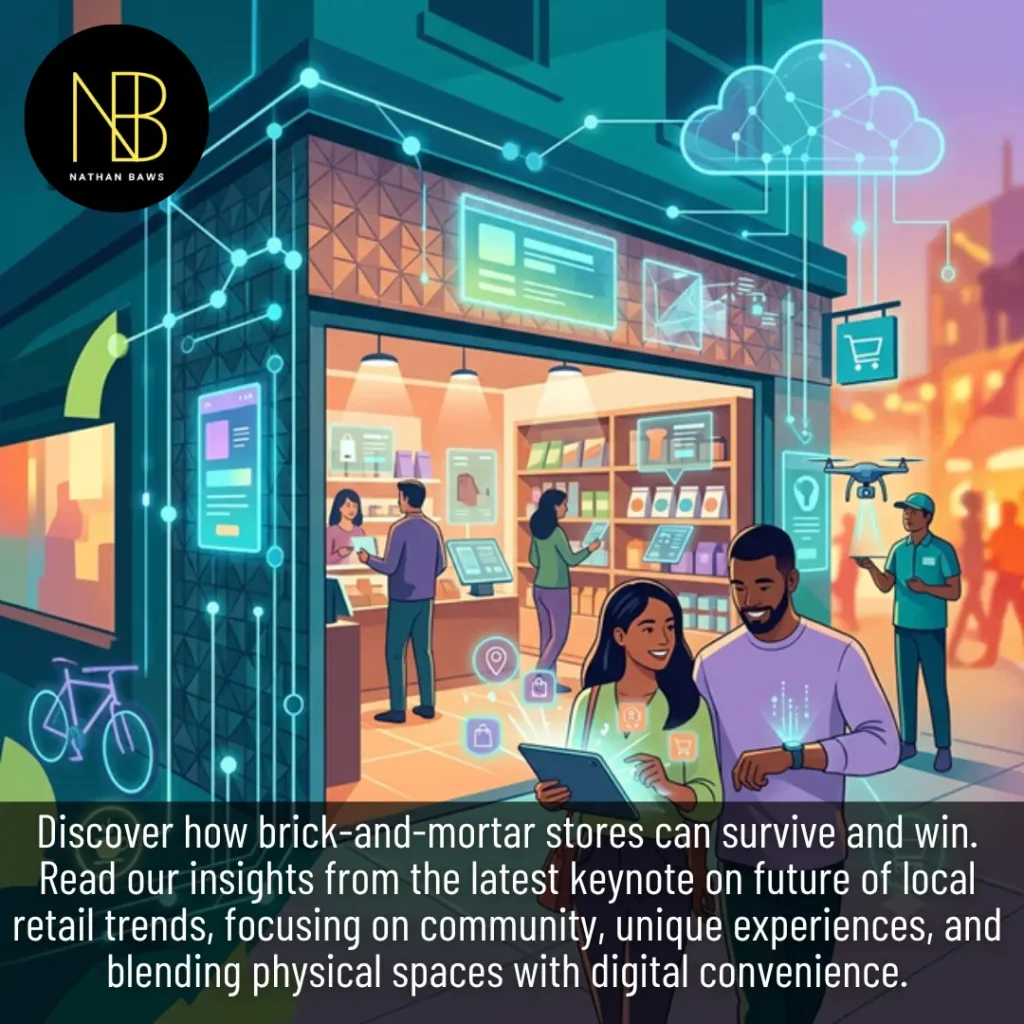
However, large portions of consumer purchasing will remain rooted in the physical world forever. The challenge for local retailers isn’t to fight the digital tide, but to ride it. The modern consumer doesn’t see a divide between online and offline shopping; they expect a seamless, continuous journey.
Moving Beyond the Transactional Model
If your local retail business only offers a transactional exchange- where a customer walks in, picks an item off a shelf, pays, and leaves- you are competing directly with the convenience of the internet. In that matchup, the internet wins almost every time. To survive, the physical space must transform from a point of sale into a destination.
Blending Mobile and Social Tech into the Storefront
Thriving local retailers are using technology to enhance, rather than replace, the in-store experience. This means integrating social media touchpoints, using mobile connectivity to offer hyper-local rewards, and leveraging digital tools to make inventory browsing effortless. Technology should act as an invisible supporter that removes friction and adds magic to the physical visit.
The Power of Community and Immersive Experiences
The ultimate defense against the commoditisation of retail is the creation of rich experiences and a genuine sense of belonging. While major corporate shopping centres have the capital to build massive, uniform, and shiny entertainment spaces, they often lack a soul. This is precisely where local retail shopping districts hold a massive competitive advantage.
Cultivating the “Trump Card” of Human Connection
Local shopping precincts are naturally woven into the fabric of suburban and regional communities. They are spaces where neighbours cross paths and business owners know their customers by name. By launching initiatives that foster these physical connections- such as hosting local maker markets, running evening community events, or collaborating on neighbourhood festivals- local retail precincts create a social incentive to visit that no algorithm can match.
Activating Spaces with Co-Working and Multi-Use Concepts
One highly effective strategy highlighted in modern retail strategy is the integration of co-working spaces within or adjacent to retail precincts. Bringing telecommuters, freelancers, and remote workers into the local commercial ecosystem creates a built-in, daily audience. These professionals naturally support surrounding cafes, boutiques, and service providers, creating a self-sustaining layer of economic activity throughout the week.
Overcoming the Danger of the Generic Strip
The absolute greatest threat to any local retail area is being generic. If a high street features the exact same types of shops, laid out in the exact same way as the next suburb over, it gives consumers zero reason to travel or step outside their homes. Homogenization is the death knell of brick-and-mortar business.
The Golden Rule of Modern Retail: In a world of extreme commoditisation, consumers actively seek out the unique, the personal, and the distinctive. If your retail offering looks and feels like everything else, you are competing solely on price and convenience- a battle independent local retailers rarely win.
Embracing Imperfection and True Personality
Unlike corporate shopping malls where every detail is sanded down, uniform, and strictly regulated, local retail strips thrive on character. The architectural quirks, the distinct visual identities of independent storefronts, and the passionate stories of the founders are major drawcards. Lean into your story, showcase your personality, and let your brand’s unique voice shine through your visual merchandising and customer service.
Curating a Complementary Array of Distinctive Services
A successful local retail ecosystem relies on collaboration rather than cutthroat competition. When independent businesses work together to curate a complementary mix of retail, hospitality, and experiential services, the entire precinct transforms into a regional drawcard. A customer might arrive for a specialty coffee, stay to browse a highly curated independent bookstore, and finish their trip by visiting a local artisanal grocer. The collective experience becomes the destination.
Crafting Your Vision for the Future of Retail
Navigating this massive structural shift requires more than just reactive changes; it demands a clear, forward-thinking strategy and an inspiring vision. Business owners, local councils, and precinct leaders must proactively shape their own futures rather than waiting to see what happens next.
This is exactly where external perspective and entrepreneurial mentorship become invaluable. Unlocking hidden potential within a business or a commercial precinct requires looking at old spaces through a completely fresh lens.
Navigating Market Disruption with Strategic Mentorship
When a retail business feels stuck or threatened by shifting digital trends, having access to an experienced growth mentor can completely change the trajectory. A tailored strategy helps independent operators identify underutilised assets, optimise their operations, and build robust business models that successfully bridge the physical and digital divide.
Inspiring Teams and Precincts to Embrace Change
True transformation requires getting everyone on the same page- from your frontline retail staff to local chamber of commerce stakeholders. Bringing in a dynamic entrepreneurial speaker to deliver an impactful presentation or keynote can ignite the spark needed to drive real innovation. An engaging session reframes market disruption from a terrifying threat into an extraordinary growth opportunity, leaving audiences with practical, actionable strategies to revitalise their commercial spaces.
Conclusion: The Era of the Purpose-Driven Storefront
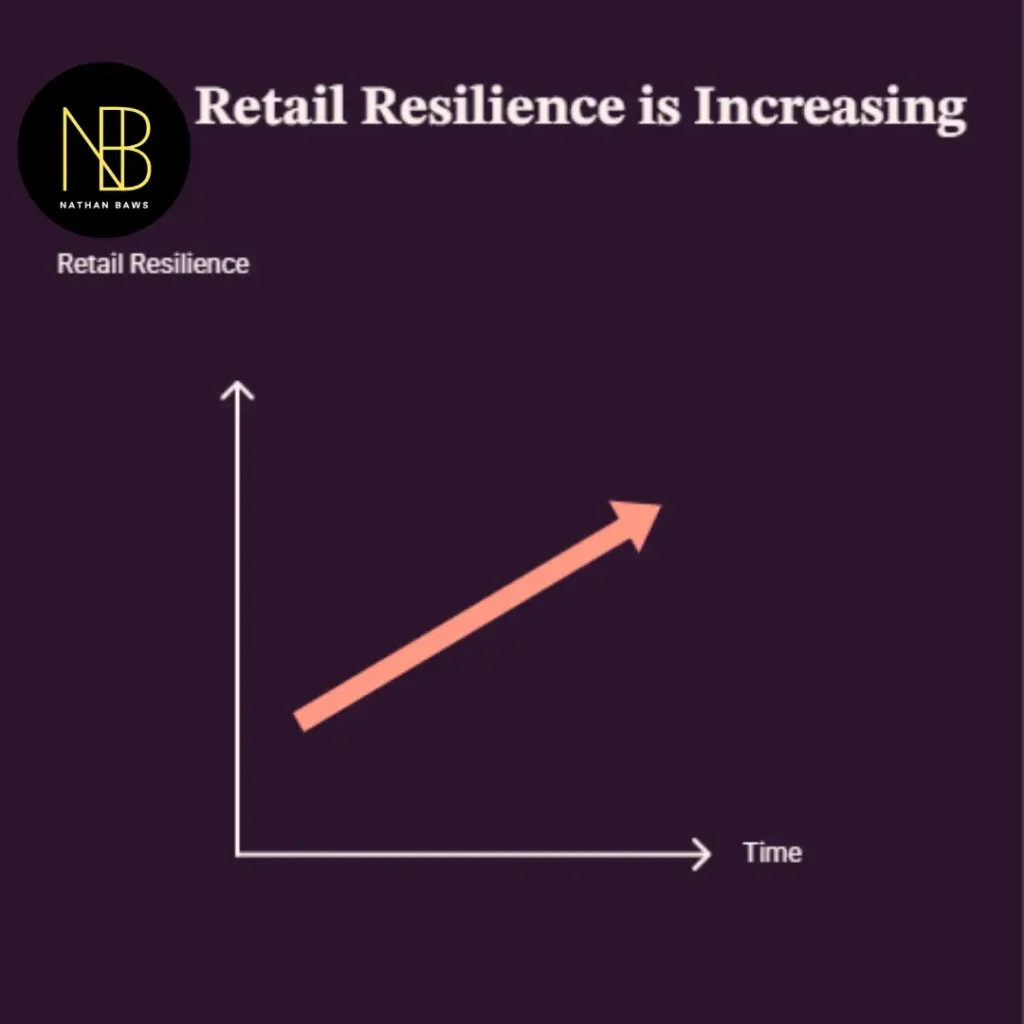
The future of local retail is bright, but it belongs exclusively to those who are willing to reinvent themselves. By moving away from purely transactional models and leaning heavily into community connection, memorable experiences, and unapologetic uniqueness, local retailers can build incredibly resilient businesses.
If you want to revitalise your retail strategy, inject fresh entrepreneurial energy into your team, or explore new avenues for business growth, Nathan Baws can help you navigate this transition. With a proven track record of scaling businesses and driving innovative strategies, Nathan provides the practical mentoring and inspiring speaking insights needed to turn retail disruption into your greatest unfair advantage.
Explore how you can transform your business approach today.
Connect with Nathan Baws Today
Read Also: 8 Game-Changing Secrets to Deliver a Keynote Address That Wows the Crowd
Frequently Asked Questions
What was the main takeaway from the keynote on future of local retail?
The core message of the keynote is that physical retail is not dying; it is evolving. The future relies on the convergence of digital convenience and physical experience. Local retailers must focus heavily on building community and offering unique, personalised experiences that cannot be replicated online.
How can small brick-and-mortar shops compete with e-commerce giants?
Small shops can win by playing to their strengths: human connection, curation, and immediacy. E-commerce offers convenience, but it cannot offer tactile experiences, instant gratification, or real human relationships. Focus on creating a destination rather than just a place to buy goods.
What does it mean to “clear the neighbourhood” or stand out in a local precinct?
Standing out means avoiding being generic. A retail area must avoid having a carbon-copy lineup of stores. Success comes from offering a distinctive, complementary array of unique shops, personal services, and engaging spaces that give people a compelling reason to visit.
Why is community considered the “trump card” for local high streets?
Corporate shopping malls and online platforms are inherently uniform or transactional. Local high streets are naturally integrated into residential areas, allowing them to foster genuine human connections, recognise regular customers, and host hyper-local community events that create long-term loyalty.
How can local retailers successfully integrate digital technology?
Integration should focus on removing friction and enhancing the in-store experience. Examples include offering click-and-collect services, engaging with customers via localised social media campaigns, and using mobile point-of-sale systems to serve customers anywhere on the shop floor.
Can co-working spaces really help revitalise a local retail precinct?
Yes, absolutely. Integrating co-working spaces brings remote workers, freelancers, and business professionals into the area on a daily basis. This creates a consistent, reliable stream of foot traffic for surrounding cafes, lunch spots, pharmacies, and specialty retail shops during weekdays.
What is the biggest mistake local retailers make when facing disruption?
The biggest mistake is trying to compete purely on price and volume against massive corporate entities or online giants. Independent retailers cannot match their economies of scale. Instead, the focus must shift to high-value service, unique product curation, and memorable experiences.
How does a business growth mentor help a struggling retail business?
A growth mentor helps a business owner step back from day-to-day operations to analyse the business objectively. They assist in identifying new revenue streams, optimising inventory, improving customer retention strategies, and building a clear roadmap to adapt to changing market conditions.
What should I look for when booking a keynote speaker for a retail event?
Look for an entrepreneurial speaker who understands real-world business mechanics, market disruption, and consumer psychology. The speaker should be able to provide practical, actionable frameworks rather than just abstract theories, leaving the audience inspired and ready to execute change.
How can I get in touch with Nathan Baws for business mentoring or speaking engagements?
You can easily get in touch by visiting the official website at nathanbaws.com. From there, you can submit an inquiry to discuss customised business growth mentoring, strategic advisory sessions, or booking a dynamic presentation tailored to your specific industry needs.