Introduction
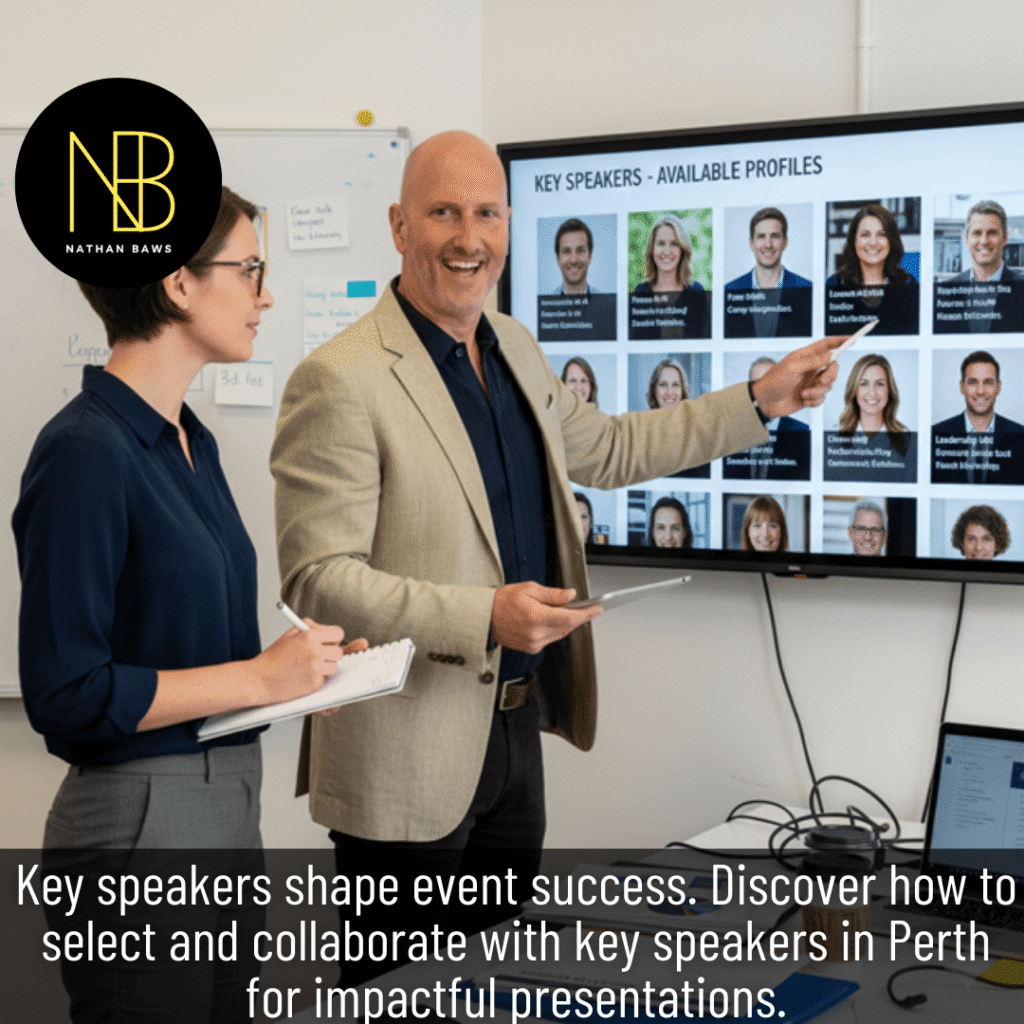
Choosing the right key speakers matters for events in Perth and across Australia. This guide explains what to look for, how to prepare, and how to get the most from key speakers while showing how Nathan Baws can help.
Key Takeaways
- Understand the role and impact of key speakers
- Find and vet key speakers for your audience
- Plan logistics, content and engagement with key speakers
Why Key Speakers Matter
Set the tone and goals
Key speakers set expectations for your event and shape the audience experience. They can raise credibility and motivate action when chosen to match event goals.
Influence attendee learning
Good key speakers deliver clear lessons and practical tools. They help attendees leave with tangible takeaways and next steps.
Drive engagement and networking
Key speakers can spur discussion, networking and follow-up. They create shared moments that make events memorable.
How to Identify the Right Key Speakers
Match expertise to audience needs
Start by defining your audience and outcomes. Prioritise speakers who have direct experience with those needs.
Check credibility and results
Research past talks, case studies and references. Reliable proof helps confirm a speaker’s value.
Evaluate style and fit
Review videos of talks to test tone, pacing and clarity. Choose speakers who match your event style and audience expectations.
How to Vet and Book Key Speakers
Contact and initial briefing
Provide a clear brief about your event, goals and audience. Ask speakers for tailored proposals and sample content.
Negotiate terms and logistics
Agree on fees, travel and technical needs early. Put terms in writing to avoid surprises when key speakers arrive.
Confirm outcomes and deliverables
Clarify what materials and follow-up the speakers will provide. Set clear timelines for any pre-event work.
Preparing Speakers for Your Event
Share audience insights
Give speakers detailed audience demographics and expectations. The more they know, the more targeted their content will be.
Coordinate with AV and staging
Run technical checks and rehearsals. Well-prepared speakers perform better with reliable tech and clear stage directions.
Plan interaction and timing
Decide on Q&A, polls and breakouts in advance. Time controls help speakers keep energy and focus throughout the session.
Designing Talks That Work
Clear structure and practical steps
Ask key speakers to present with a clear beginning, middle and end. Include practical steps attendees can act on immediately.
Use visuals and examples
Encourage speakers to use visuals that support the message and real examples from Australian contexts. Relevant examples improve understanding.
Engage the audience
Include interactive elements like polls and small group tasks. Key speakers who invite participation increase retention and satisfaction.
Maximising Impact After the Event
Gather feedback and measure outcomes
Collect surveys and engagement metrics to assess the performance of speakers. Use data to improve future selections.
Share content and follow-up
Distribute recordings, slides and action guides from speakers. Follow-up keeps the conversation going and improves value for attendees.
Develop longer-term relationships
Work with speakers on future events, podcasts or workshops. Ongoing relationships yield better alignment and efficiency.
Budgeting and Value for Money
Understand fee structures
Fees for speakers vary by experience and demand. Factor travel, accommodation and preparation into your total cost.
Calculate return on investment
Measure ticket sales, sponsorship value and attendee feedback to test the value of speakers. Use metrics to justify investments.
Negotiate packages
Consider bundled deals for multiple appearances or online content. Bundles can give you more value from key speakers.
Local Considerations for Perth and Australia
Choose Australian-relevant content
Key speakers who reference Australian law, markets and culture are more relatable. Local context improves trust and action.
Plan for travel and seasonality
Perth events may need specific scheduling for flights and accommodation. Book speakers early to secure dates and reduce costs.
Leverage local networks
Use Western Australian networks to find speakers and partners. Local contacts help find reliable speakers and simplify logistics.
Practical Checklist for Working with Key Speakers
Pre-event checklist
Send a detailed brief, confirm tech needs and run a rehearsal. Confirm arrival times and hospitality for your speakers.
Event-day checklist
Provide a clear run sheet, dedicated liaison and prompt timing. Have backups ready for AV and timing issues that involve key speakers.
Post-event checklist
Collect feedback, send thank-you notes and request content delivery. Review performance metrics tied to speakers for future planning.
How Nathan Baws Helps with Key Speakers
Tailored speaker selection
Nathan Baws helps organisers find speakers who match goals and audience in Perth. He uses local experience to recommend high-impact options.
Event coaching and prep
Nathan supports speaker coaching, content design and rehearsal to improve delivery. His practical coaching helps speakers perform at their best.
End-to-end support
From negotiation to post-event follow-up, Nathan manages logistics and quality control. He simplifies working with speakers so you can focus on your event.
Actionable Tips to Book Your Next Key Speakers
Start early and be clear
Contact prospective speakers months in advance and provide a concise brief. Early clarity improves availability and quality.
Use recorded work to decide
Ask for talk samples and references before committing. Review recordings to check the fit for your Perth audience and event goals.
Budget for rehearsal and materials
Include rehearsal time and slide development in your budget. That investment makes speakers’ sessions more polished and useful.
Conclusion
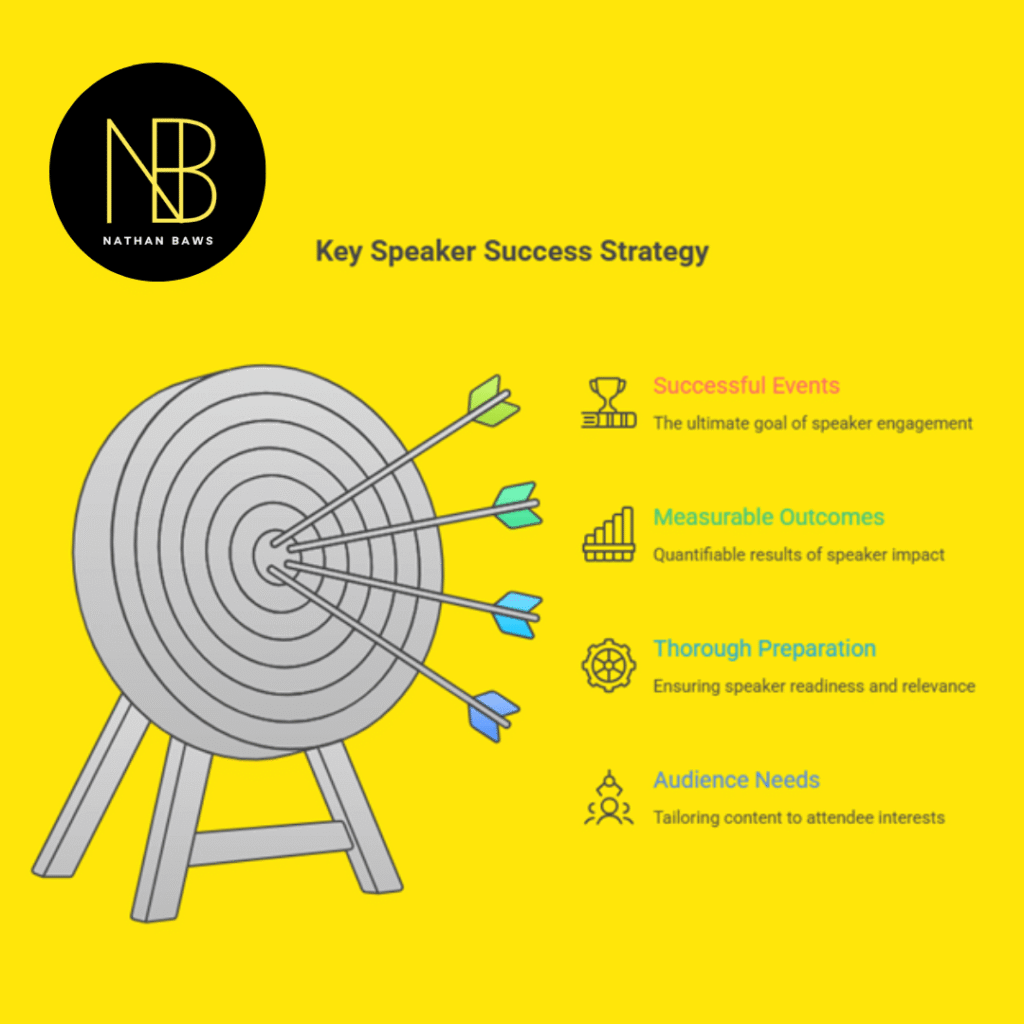
Choosing and working with the right key speakers is essential for successful events in Perth and across Australia. By matching audience needs, preparing thoroughly and measuring outcomes, you get the best results from key speakers. If you want practical help finding, preparing or managing key speakers, contact Nathan Baws to discuss tailored solutions and next steps.
Contact Nathan Baws to reach out and start planning your event with strong key speakers.
FAQs about Key Speakers
What is a key speaker?
It is the main presenter at an event who sets the tone and delivers the core message. They usually have expertise and credibility relevant to the audience.
How far in advance should I book key speakers?
Book at least three to six months in advance for popular speakers. For Perth events, earlier booking avoids travel conflicts and higher fees.
How do I assess a speaker’s fit?
Review past talks, testimonials and audience feedback for fit. Watch videos to judge tone, pacing and relevance to your event.
What should a speaker brief include?
Include event goals, audience profile and session logistics. Add technical needs, timing and expected deliverables.
How much do key speakers cost in Australia?
Fees vary widely by experience and demand, from modest to premium. Include travel, prep time and materials when budgeting.
Can I use remote speakers?
Yes, remote key speakers can be effective with good AV setup. Test technology in advance to ensure smooth delivery.
How do I measure a speaker’s impact?
Use attendee surveys, engagement metrics and follow-up actions. Compare results to your pre-event goals for clear assessment.
What content works best for Perth audiences?
Local examples, clear actions and practical outcomes work best. Address region-specific challenges relevant to Western Australia.
Should I pay for rehearsal time?
Yes, rehearsal time improves delivery, timing and AV use. It reduces the risk of on-stage problems for key speakers.
How can Nathan Baws help with key speakers?
Nathan is a speaker himself and also offers speaker selection, coaching and full event support. Contact Nathan Baws via his website to discuss tailored services.
Also Read: Proven Strategies for Business Growth: Practical Steps to Scale