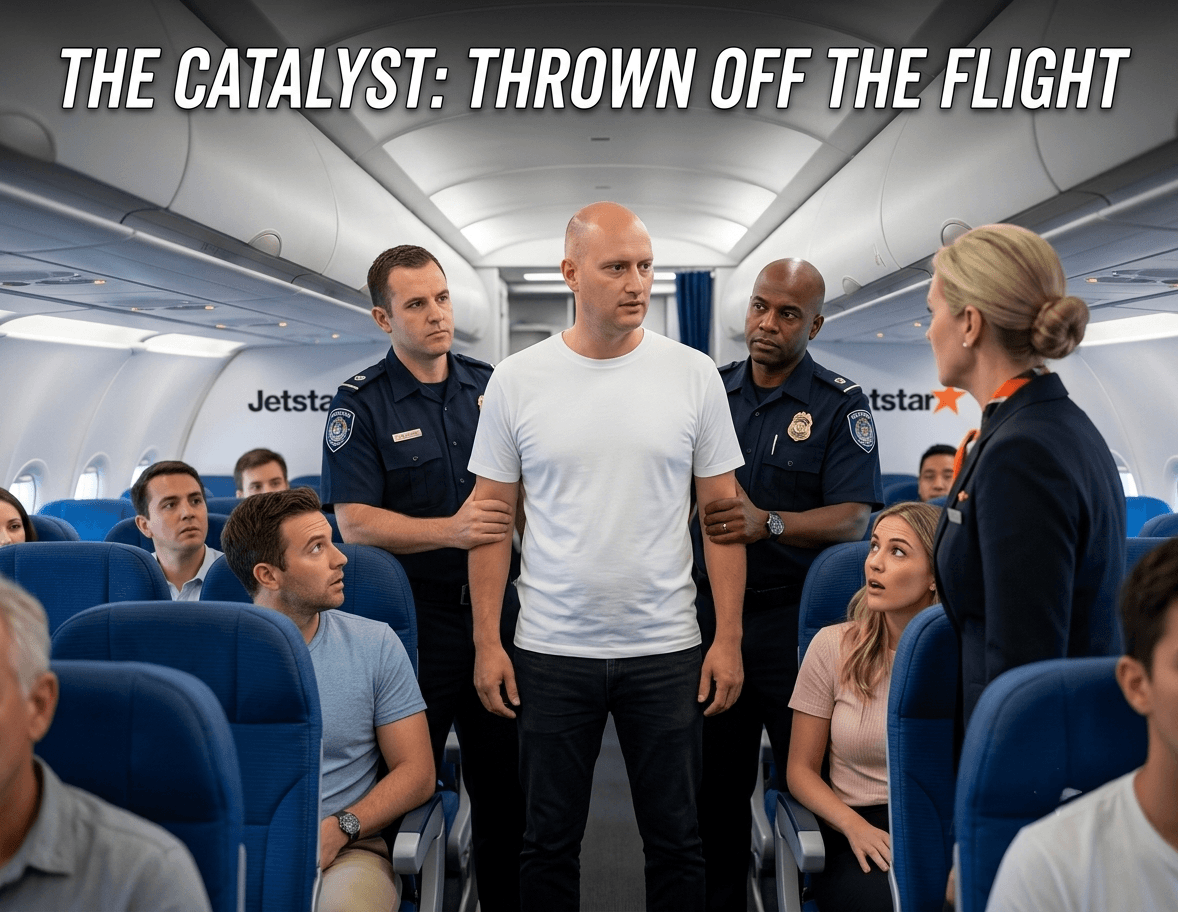
I was thrown off a flight for objecting to poor customer service.
That moment could have stayed as a frustrating personal complaint.
But it became something much bigger.
It became a mission.
For years, I have been obsessed with customer service as one of the most powerful tools for scaling a business.
Not customer service as a boring department, a script, or a “sorry, that is our policy.”
I mean customer service as a serious business growth strategy.
The kind of customer service that creates win-win outcomes.
The kind that protects staff while respecting customers.
The kind that turns complaints into loyalty.
The kind that keeps customers coming back again and again.
The kind that understands one simple truth:
The easiest customer to grow your business with is the customer you already have.
If your team deals with customers, complaints, pressure or conflict, this training can help stop customer blow-ups before they start.
Customer service is not soft. It is strategy.
I have built and operated 19 businesses, and one lesson has stayed with me the whole way:
If you want to scale a business, you cannot just focus on getting more customers.
You must keep the customers you already have, give them a reason to return, and give them a reason to rave about your product or service.
You must make them feel valued.
You must create moments where customers walk away thinking, “That business actually cares. I absolutely love those guys.”
That is where lifetime customer value is built.
That is where repeat sales, referrals, trust and brand loyalty are created.
Good customer service is not just about being nice.
It is negotiation, sales, culture, leadership, emotional intelligence and business growth.
It is one of the most underrated scaling tools in business.
Want your team to use customer service as a growth tool, not just a complaint-handling process?
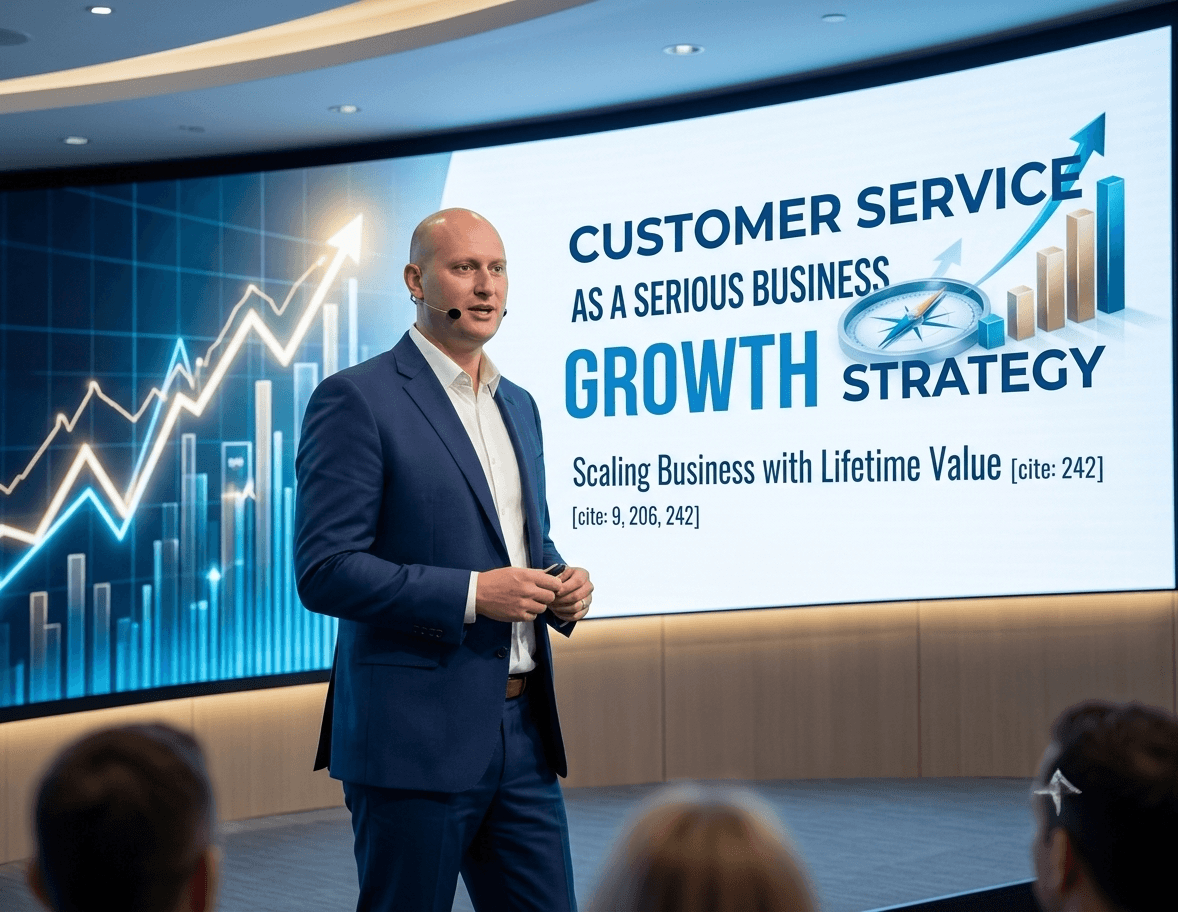
Want your team to use customer service as a growth tool, not just a complaint-handling process?
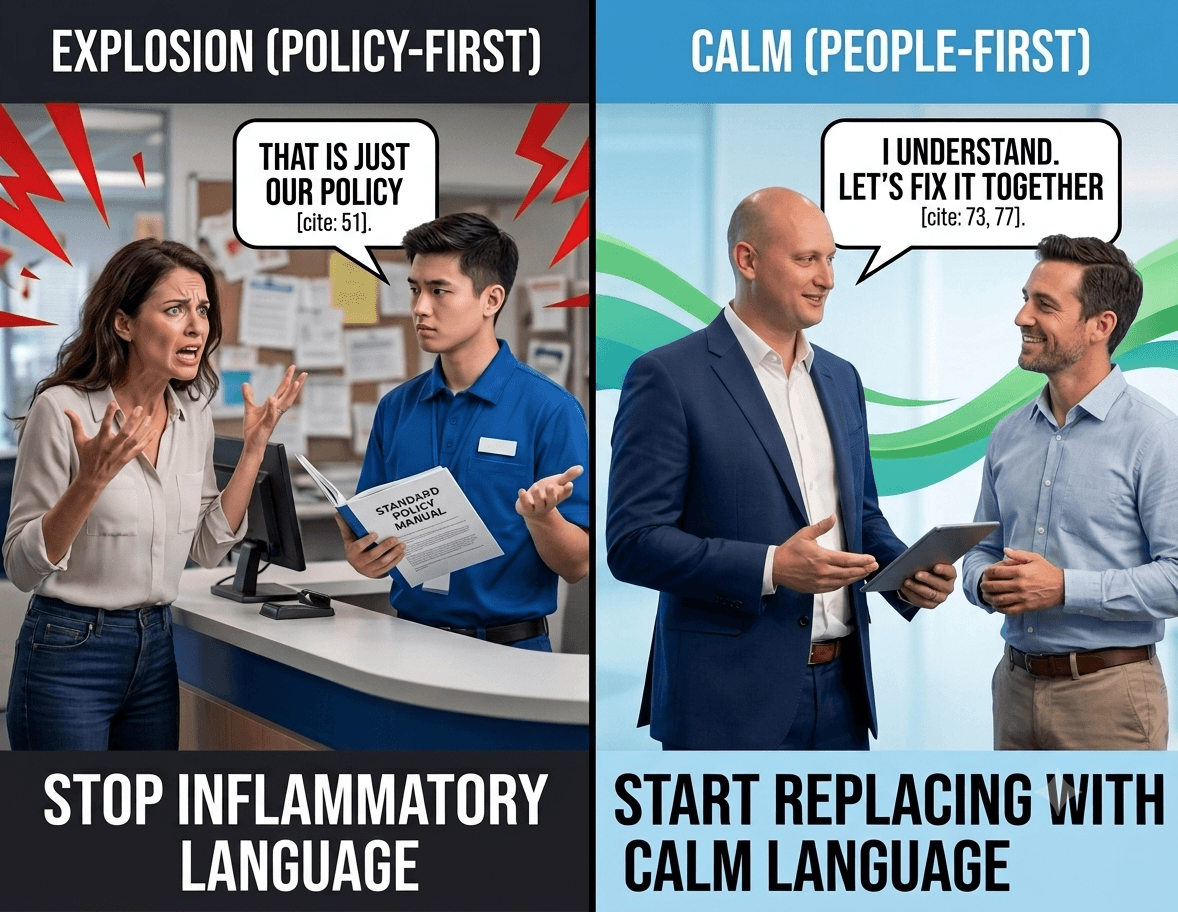
Why being removed from a flight changed my mission
After being removed from a Jetstar flight for objecting to what I believed was a clear case of poor customer service, something shifted.
I had always cared deeply about great service.
I had always spoken up when I saw customers being treated poorly.
I had always believed that businesses should aim for win-win outcomes, not just hide behind rules and policy.
But after that incident, my passion for educating poorly trained businesses became even stronger.
It became a calling.
Because what I saw was not just one poor customer service moment.
I saw what happens when staff are not properly trained to handle pressure.
I saw what happens when policy becomes more important than people.
I saw what happens when a simple situation escalates because there is not enough empathy, flexibility, communication or practical de-escalation.
And I saw how quickly a business can damage trust when the customer feels dismissed, embarrassed or powerless.
If your staff are enforcing policy but losing customers, it is time to train them in people, pressure and practical de-escalation.
Why being removed from a flight changed my mission
Many customer service disasters do not begin with shouting.
They begin with one careless sentence.
A sentence that sounds professional to the staff member, but feels dismissive, cold or insulting to the customer.
These are the lines that often turn frustration into anger:
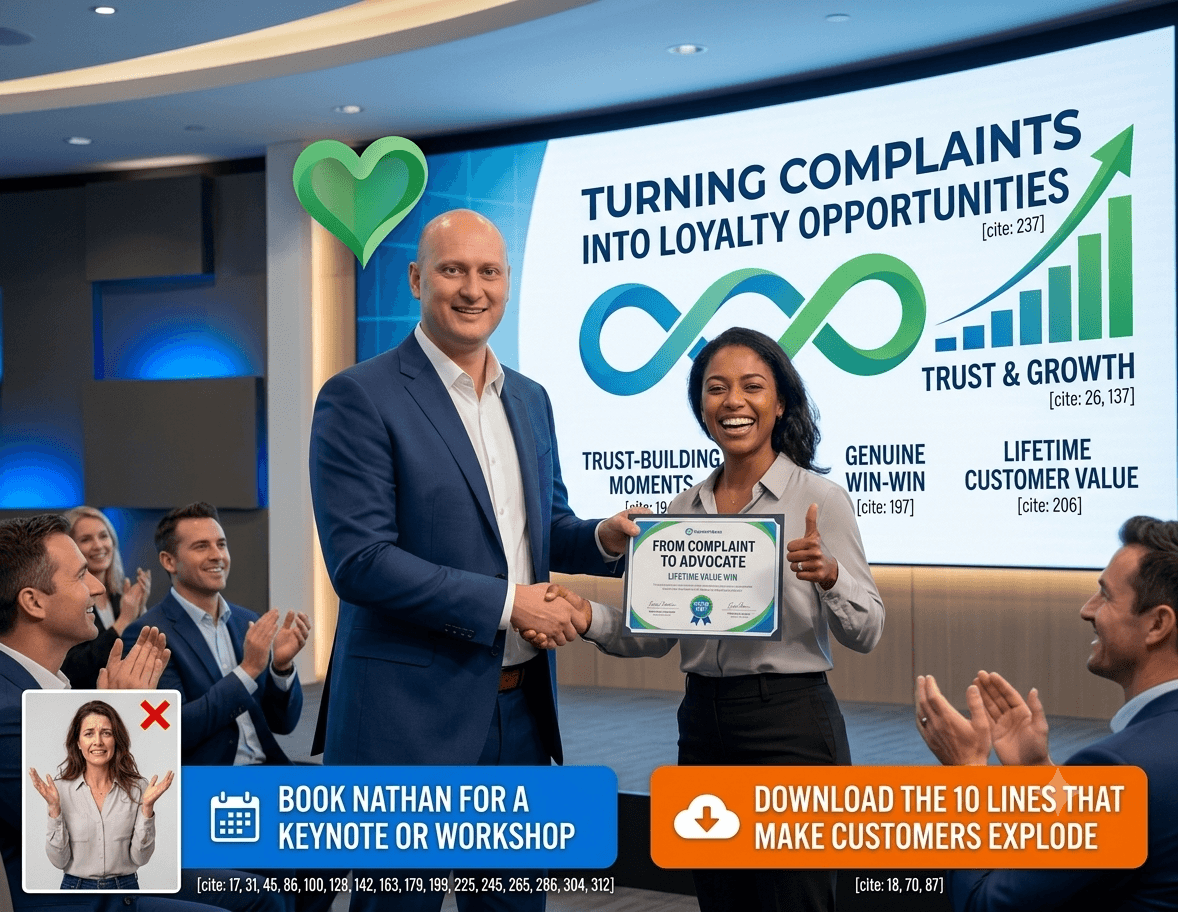
“That is just our policy.”
“There is nothing I can do.”
“Calm down.”
“You can either pay or leave.”
“You should have read the terms and conditions.”
“Sorry you feel that way.”
“I am just doing my job.”
“Everyone else follows the rules.”
“You will have to take it up with someone else.”
“If you do not like it, you can complain later.”
These lines do not solve the problem.
They shut the customer down.
They make the customer feel powerless.
They make the business sound robotic.
They make the staff member look unsupported.
They turn policy into a weapon instead of a guide.
And worst of all, they usually make the situation worse.
Want to know the phrases your team should stop using immediately?
Download the quick guide and start replacing inflammatory customer service language with calm, problem-solving language.
Better customer service starts with better language
Instead of saying, “That is just our policy,” staff can say:
“I understand this is frustrating. Let me explain what I can do from here.”
Instead of saying, “There is nothing I can do,” staff can say:
“I may not be able to change that part, but let me look at the best option available.”
Instead of saying, “Calm down,” staff can say:
“I can see this is stressful. Let us slow this down and work through it together.”
Instead of saying, “You can either pay or leave,” staff can say:
“These are the options available right now. Let me help you choose the least painful one.”
Instead of saying, “You can complain later,” staff can say:
“I want to help resolve as much as I can now, and I can also show you the best way to escalate it if needed.”
That is the difference between policy-focused service and people-focused service.
One escalates and pushes customers away.
The other calms, protects trust and builds the business.
Your team does not need more robotic scripts. They need better language under pressure.
Too many businesses train staff on policy, but not enough on people
Policies matter.
Rules matter.
Procedures matter.
But if your team only knows how to enforce policy and does not know how to deliver the rule book with care, your business is exposed.
A frustrated customer can become a complaint.
A dismissed customer can become angry.
An embarrassed customer can become loud.
An unheard customer can become a public reputation problem.
But a customer who feels heard, respected and looked after can become one of your strongest advocates.
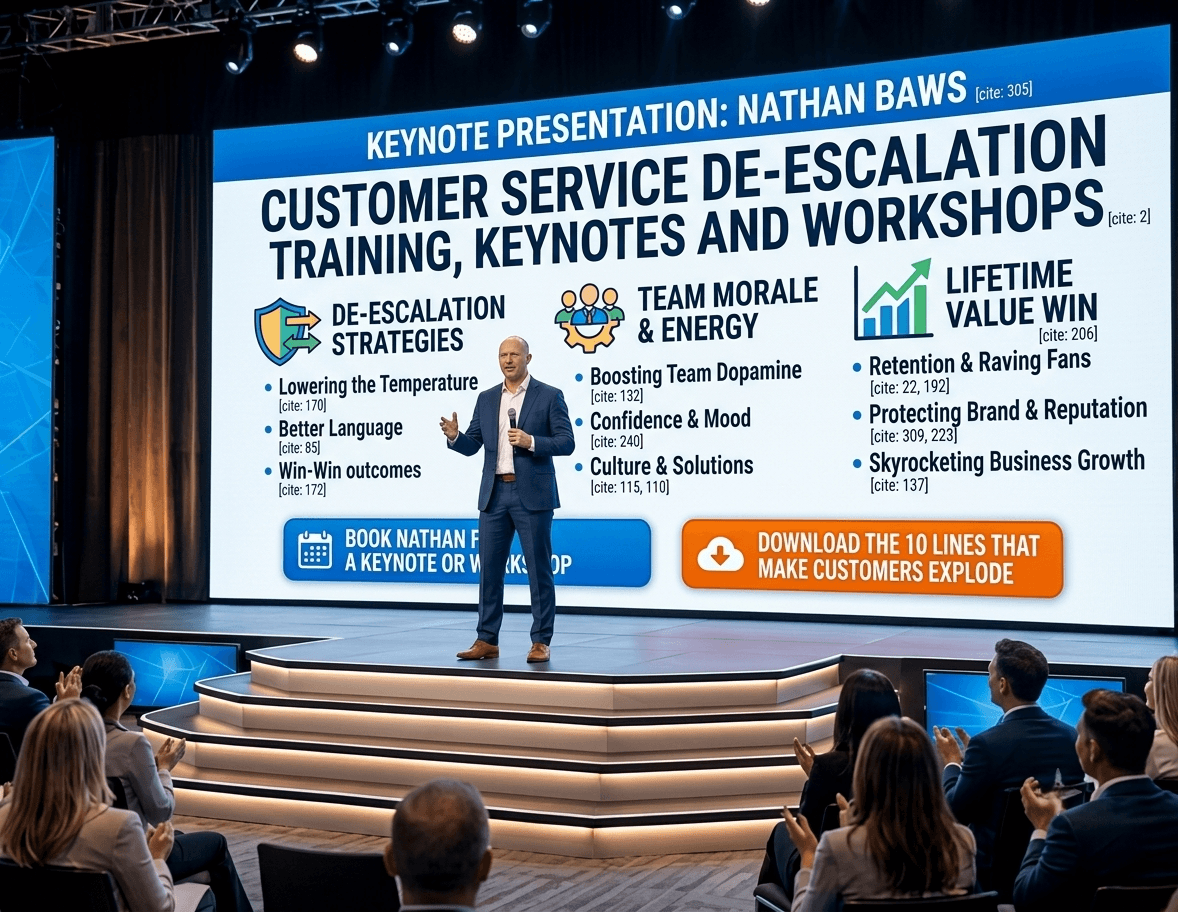
That is why I now teach businesses the art of customer service de-escalation, complaint prevention, win-win negotiation and turning unhappy customers into loyal, vocal, long-term fans.
If your business wants staff who can enforce standards without destroying trust, this is the training they need.
This is bigger than customer service. It is team culture.
Poor customer service is often not just a customer problem.
It is a culture problem.
And if one team member has the problem, chances are it will spread quickly and destructively through your entire team.
When staff are stressed, unsupported, undertrained or low in morale, it shows.
They become defensive.
They become robotic.
They hide behind policy.
They become short-fused.
They stop looking for solutions.
They treat the customer like the problem, instead of treating the situation as the problem.
The solution
A business must invest in its team.
The team must not just learn what to say to customers.
Businesses must learn how to build a culture where staff feel better, communicate better and handle pressure better.
This is where my work in dopamine, business growth, health, energy and mindset comes into the mix.
Because customer service improves when team energy improves.
Service improves when morale improves.
Communication improves when mood improves.
Conflict reduces when staff feel supported, trained and confident.
A burnt-out team will struggle to deliver great service.
A stressed team will struggle to stay calm under pressure.
A low-morale team will struggle to create high-level customer experiences.
So the solution cannot just be a script.
It has to be a whole-business approach.
Poor customer service is often a symptom of poor team culture, stress and low morale. Nathan’s workshops help support staff while improving the customer experience.


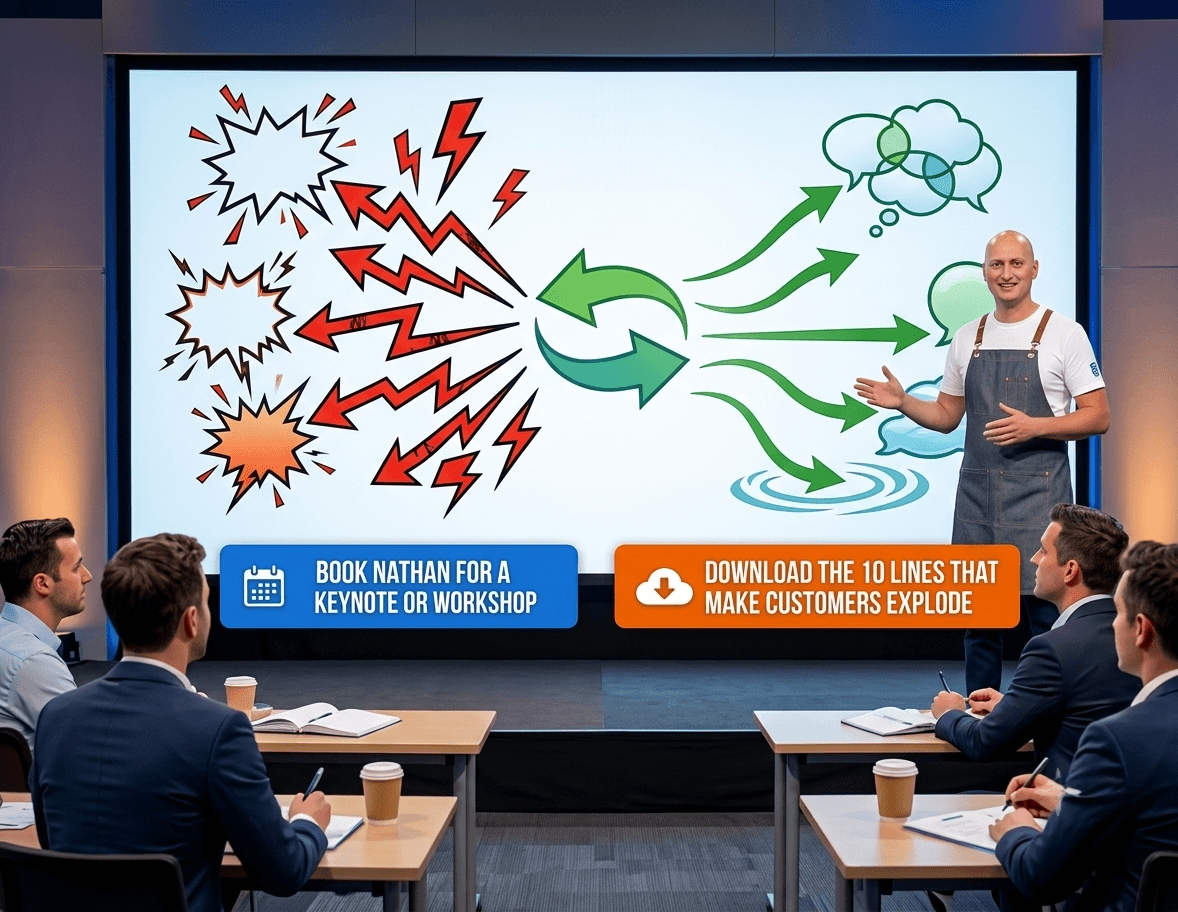
The customer service energy loop
Great customer service is created by a healthy internal culture.
Supported and energised teams deliver transformational customer service.
Seeing happy customers creates a positive feedback loop of small dopamine wins, which boosts team morale and drives continuous improvement in customer outcomes.
When customers feel better treated, they become calmer, more loyal and more profitable.
When customers are easier to deal with, staff feel less stressed.
When staff feel less stressed, team culture improves.
That is the loop.
Better staff culture creates better customer service and better staff satisfaction, which creates stronger customer loyalty, which in turn skyrockets business growth.
And here, my friends, lies the gold for a business.
Everyone wins.
That is what I call a real win-win outcome.
Build a team culture where staff feel better, customers feel heard, and the business grows through stronger service.
Most customer service disasters are preventable
Most customer service blow-ups do not start big.
They start small.
A cold tone.
A rushed explanation.
A poorly explained policy.
A staff member under pressure.
A customer who feels dismissed.
A customer who feels embarrassed in public.
A business that has not trained its team to de-escalate emotional situations.
Then suddenly, the voice gets louder.
The staff member gets more defensive.
The customer feels more trapped.
Other people start watching.
The business loses control of the moment.
And what could have been solved with empathy, calm language and practical problem-solving turns into a complaint, refund, bad review, viral post, lost customer or damaged brand.
That is why customer service de-escalation training is no longer optional.
It is essential.
If one bad customer experience could damage your brand, this training is not optional. It is protection for your staff, your customers and your reputation.
Great customer service is not about giving in
Great customer service does not mean saying yes to everything.
It does not mean letting customers abuse staff.
It does not mean ignoring rules, safety, procedures or standards.
It means knowing how to apply policy without stripping the humanity out of the interaction.
It means knowing how to say no without making the customer feel stupid, trapped or disrespected.
It means lowering the temperature before the situation boils over.
It means protecting staff while still respecting customers.
It means creating a win-win outcome wherever possible.
Because the way you handle the problem can be more important than the problem itself.
Customers may forget the exact policy.
They may forget the exact price.
They may forget the exact detail.
But they will never forget how your business made them feel when they were stressed.
Teach your team how to say no without losing trust, dignity or the customer.
Turning unhappy customers into your strongest advocates
An upset customer is not always a lost customer.
In fact, an upset customer can become one of your most loyal customers if the situation is handled properly.
Why?
Because when a business fixes a problem well, the customer sees something powerful.
They see that you care.
They see that you listen.
They see that you take responsibility.
They see that your service is not just empty words on a website.
That is where loyalty is built.
That is where trust is rebuilt.
That is where complaints become opportunities.
That is where unhappy customers become raving fans.
Most businesses are terrified of complaints.
I teach businesses how to use complaints as trust-building opportunities.
Not by being weak.
Not by giving everything away.
But by using empathy, negotiation, emotional intelligence, strong systems, practical de-escalation and a genuine commitment to win-win outcomes.
Complaints do not have to become lost customers. Handled properly, they can become loyalty-building moments.

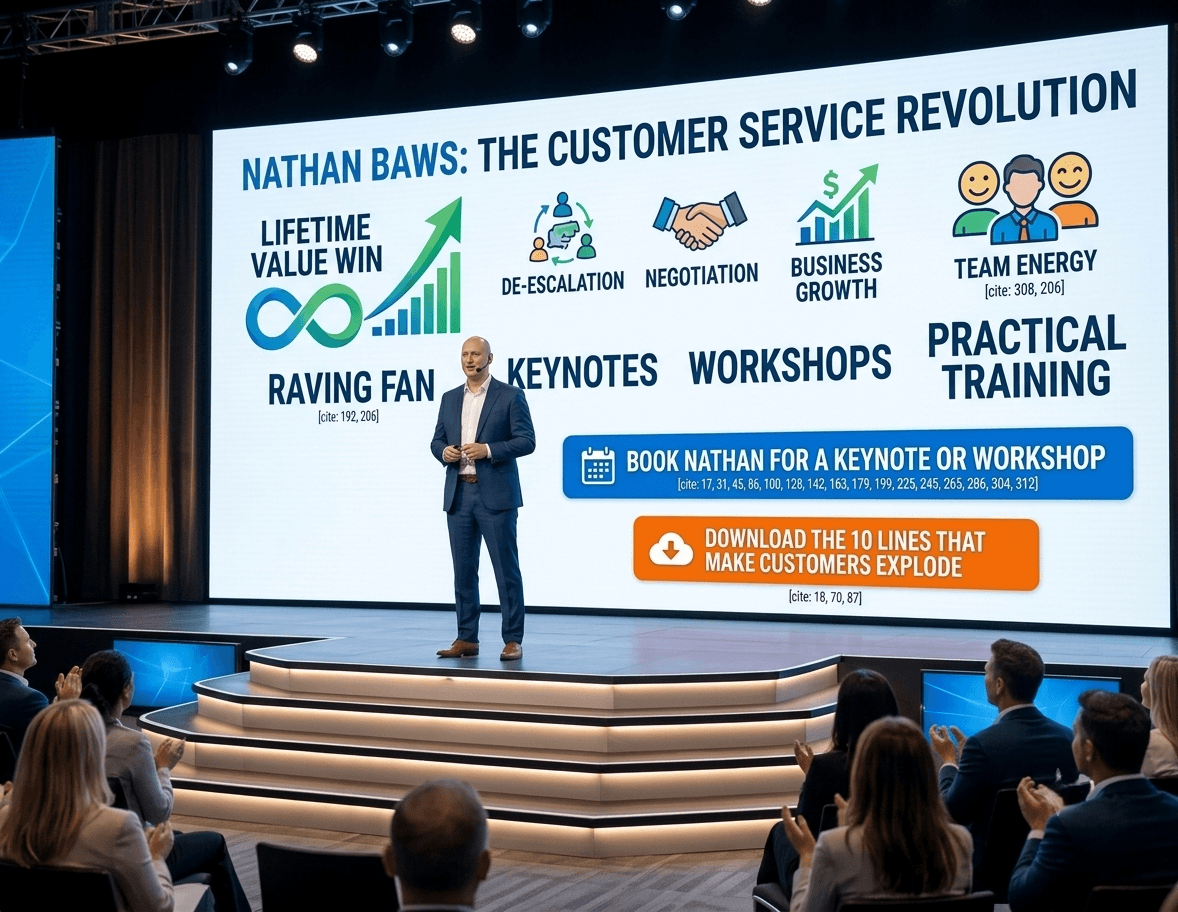
The real money is in lifetime customer value
Too many businesses focus only on the immediate transaction.
The fee.
The charge.
The rule.
The short-term win.
But the real money is in lifetime customer value.
A customer who returns again and again is worth far more than a one-off sale.
A customer who refers friends, family and colleagues is worth even more.
A customer who feels genuinely looked after becomes part of your marketing team.
They come back.
They refer.
They defend your brand.
They tell your story.
They become your advocate.
That is why customer service should never be treated as a soft skill.
Customer service is sales.
Customer service is marketing.
Customer service is retention.
Customer service is reputation.
Customer service is negotiation.
Customer service is leadership.
And for a business, it is pure profit.
In a world where one bad experience can be shared online in seconds, customer service can be the difference between a business that grows and a business that slowly bleeds customers without knowing why.
Stop losing customers through poor service moments. Train your team to protect lifetime customer value.
What I teach
I work with businesses, leadership teams and frontline staff to help them prevent poor customer service before it happens, de-escalate intense customer situations and turn unhappy customers into loyal advocates.
It is something I have trained my team in for years across my business ventures.
Now, after my own mind-boggling experience with what I believe was very poor customer service, I am on a mission to improve customer service globally.
My training covers:
How to spot early signs of customer frustration before a situation escalates
How to calm emotional customers without losing control
How to communicate policy without sounding cold, robotic or dismissive
How to replace inflammatory service lines with calming language
How to make customers feel heard, even when you cannot give them what they want
How to protect staff while still treating customers with dignity
How to turn complaints into trust-building opportunities
How to create win-win outcomes in difficult customer situations
How to train staff to be solution-focused, not just policy-focused
How to improve staff confidence, mood, energy and morale
How dopamine, mindset and team culture affect customer service
How to build long-term customer lifetime value through better service
How to create a customer service culture that supports staff and elevates the customer experience
If these are the skills your team needs, Nathan can deliver them as a keynote, team workshop or practical frontline training session.
Keynotes, training and workshops
I deliver high-energy, practical and entertaining customer service presentations for businesses that want to improve how their teams handle pressure.
These are not boring customer service lectures.
These are real-world, high-impact sessions designed for teams that deal with real customers, real complaints and real pressure.
My sessions combine:
Customer service de-escalation
Win-win negotiation
Better language under pressure
Business growth strategy
Dopamine and team energy
Staff morale and culture
Complaint prevention
Customer lifetime value
Leadership under pressure
The result is a more complete, more human and more practical approach to customer service training.
Because you cannot build a great customer experience with stressed, unsupported and poorly trained teams.
You need to support the staff and elevate the customer at the same time.
That is the package I teach.
Bring Nathan into your business to help your team reduce conflict, improve morale and turn difficult customer moments into loyalty-building opportunities.

Popular session topics
Stop the Blow-Up Before It Starts
A powerful keynote on how small customer service issues escalate and how teams can stop them before they become major complaints.
Policy Is Not a Personality
How staff can enforce rules without sounding robotic, dismissive or uncaring.
Things Staff Say That Make Customers Explode
The common customer service lines that inflame difficult situations and what to say instead.
Turning Angry Customers Into Advocates
How to use complaints, frustration and service failures as opportunities to build deeper trust and stronger loyalty.
The Art of De-escalation
A practical workshop for frontline staff dealing with emotional, stressed, frustrated or difficult customers.
The Lifetime Value Customer Service Method
Why the way you handle upset customers can be more profitable than the original sale.
How to Say No Without Losing the Customer
How to protect policy, staff and business standards while still making the customer feel respected.
Dopamine, Morale and Customer Service
How staff energy, mood, mindset and culture directly affect the customer experience.
Win-Win Customer Service
How to solve problems in a way that protects the business, supports staff and makes customers feel respected.
Not sure which session is right for your team? Nathan can tailor the keynote or workshop to suit your business, industry and customer service challenges.
My ongoing offer to Jetstar
Following my own experience, I made an ongoing offer to provide Jetstar with complimentary customer service de-escalation training.
That offer remains open and, as at the date of publication, has not been taken up.
My intention is not to attack one company.
My intention is to use the experience to highlight a much bigger issue facing customer-facing businesses everywhere.
Customers are more stressed.
Staff are under more pressure.
Policies are often rigid.
Public complaints spread faster than ever.
Team morale matters more than ever.
And businesses can no longer afford to train staff only on rules and procedures.
They must train them on people.
They must train them on pressure.
They must train them on empathy.
They must train them on energy.
They must train them on win-win outcomes.
If your business wants to do better than policy-first customer service, Nathan can help your team build a more human, practical and profitable service culture.
Book Nathan Baws
Nathan Baws is a Perth-based entrepreneur, speaker and customer service advocate. He has built and operated 19 businesses, appeared on Shark Tank Australia, and co-authored a book endorsed by Tony Robbins and Brian Tracy.
Nathan delivers keynotes, workshops and training sessions on customer service, de-escalation, win-win negotiation, business growth, dopamine, team culture, sales, leadership, mindset and high-performance behaviour.
If your business deals with customers, complaints, pressure, conflict or frontline service, this training can help your team reduce stress, protect your brand, improve morale and turn difficult customer moments into loyalty-building opportunities.
Ready to stop customer blow-ups before they start?
Book Nathan for a high-energy keynote, practical workshop or customer service de-escalation training session.