Business Growth Strategies

Business Growth Strategies

Proven Strategies for Business Growth: Practical Steps to Scale

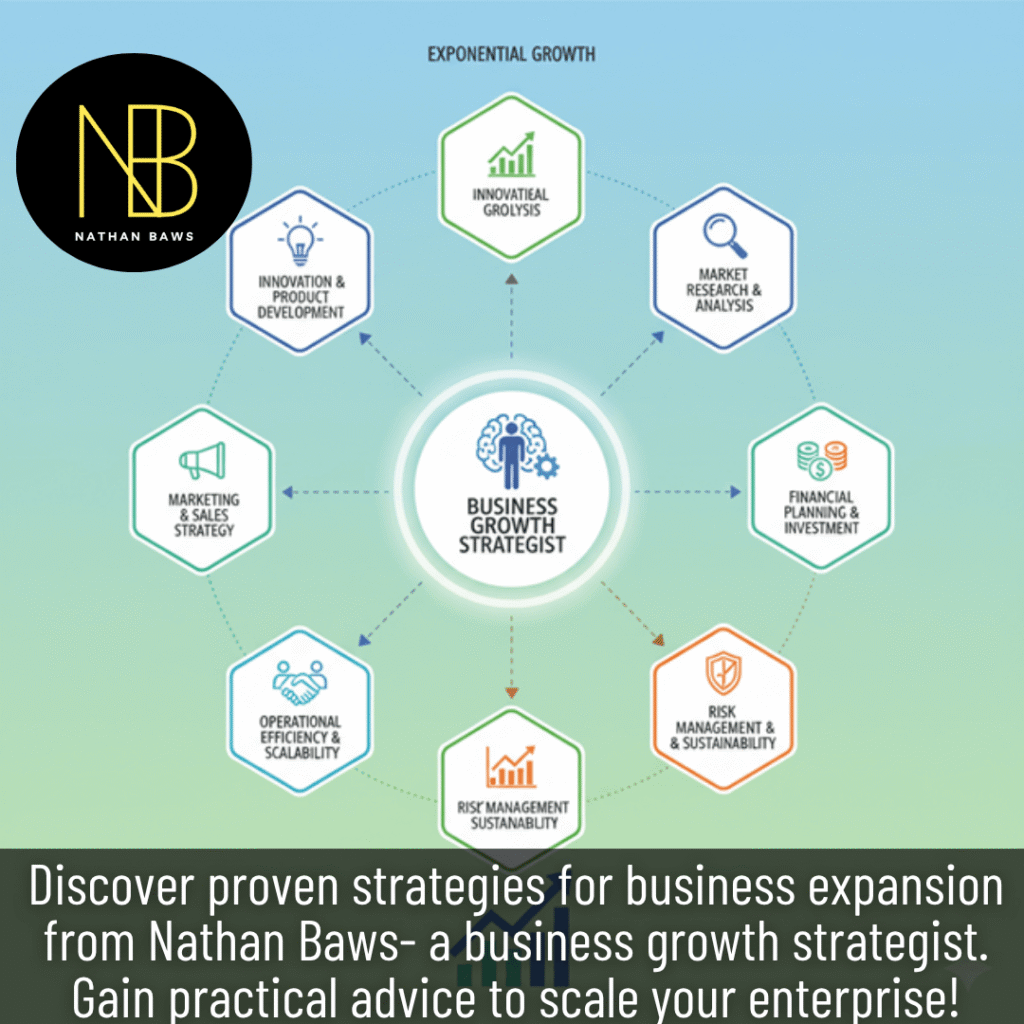
Introduction Growing a business requires a mix of planning, execution, measurement, and adaptation. This guide covers high-impact strategies for business growth that leaders, founders, and managers can implement to increase revenue, expand market share, and build sustainable operations. Read through targeted tactics, frameworks, and tools you can apply now to accelerate results. Whether you are running a local catering service in Perth, an accounting firm, or a tech startup, the fundamental pillars of expansion remain the same. The “invisible ceiling” most businesses hit isn’t due to a lack of effort; it’s often a lack of a structured approach to scaling. This article provides that structure, drawing from decades of real-world experience and 40+ years of business involvement in Australia. Key Takeaways Market Research and Positioning: Foundation for Strategies for Business Growth Understand Target Customers and Pain Points One of the most vital strategies for business growth is deep customer understanding. You must go beyond basic demographics. Build psychographic profiles, map customer journeys, and identify unmet needs so your product or service directly addresses specific pain points. Regular interviews, surveys, and data analysis will uncover the persuasive value propositions that drive conversions. If you are selling frozen pasta, for example, your research might reveal that “convenience” is less important than “authentic homemade taste” for busy parents. Competitive Analysis and Differentiation Developing competitive intelligence helps you identify gaps and “white space” in your industry. Use competitor strengths and weaknesses to craft positioning statements and refine messaging. Differentiation is a cornerstone of strategies for business growth because it reduces price competition and increases perceived value. If everyone else is selling a “service,” sell a “solution with a guaranteed outcome.” Market Sizing and Prioritisation Effective strategies for business growth require prioritising segments with the highest potential return. Estimate market size, penetration rates, and acquisition costs to allocate resources to the most profitable opportunities. Don’t try to be everything to everyone; be everything to the right people. Customer Acquisition: Direct Strategies for Business Growth Paid Advertising and Performance Marketing Paid channels like search, social, and display advertising can jump-start growth efforts. Test campaigns with clear KPIs, measure Customer Acquisition Cost (CAC), and optimise creative and targeting. Paid media is one of the common strategies for business growth when scaled with accurate attribution and ROI measurement. In the Perth market, for example, localised Google Ads targeting specific suburbs can yield a much higher ROI than broad city-wide campaigns. Content Marketing and Organic Channels (SEO) Investing in content marketing builds long-term organic traffic and authority. Content that answers customer questions, showcases use cases, and demonstrates thought leadership is an enduring strategy for business growth. Use SEO, blog posts, videos, and podcasts to reach prospects at different stages of the funnel. For a business to truly dominate, it needs a high-volume content machine – publishing 40+ SEO-optimised blogs per week can position you as an undisputed authority in your niche. Partnerships and Referral Programs Strategic partnerships, affiliate programs, and customer referrals lower acquisition costs and accelerate adoption. Implement referral incentives and partner integrations to extend reach. Strategies for business growth based on referrals often produce higher LTV and lower churn because trust is built into the introduction. Sales Optimization: Revenue-Focused Strategies for Business Growth Funnel Optimization and Conversion Rate Improvement (CRO) Improving conversion rates across the funnel multiplies the impact of your existing traffic. Optimize landing pages, pricing pages, and checkout processes. A small lift in conversion – say from 2% to 3% – is a powerful strategy for business growth because it enhances ROI across every single marketing channel without increasing your ad spend. Selling Higher-Value Packages and Upsells Increasing average order value (AOV) through bundles, upsells, and premium tiers is a direct path to revenue growth. Train sales teams to propose add-ons and long-term contracts. This revenue-focused strategy for business growth simultaneously boosts margins and customer lifetime value. If you offer a wedding catering cart, adding a premium beverage package or late-night snack option is an easy way to increase the per-event revenue. CRM and Sales Enablement Implement a CRM and sales enablement tools to track opportunities, automate follow-ups, and standardise best practices. Efficient pipeline management reduces lost deals and funnels efforts toward the highest-impact prospects – an operational strategy for business growth that compounds over time. Customer Retention and Experience: Long-Term Strategies for Business Growth Delivering Exceptional Onboarding and Support Customer experience is a major driver of retention. Implement structured onboarding, proactive support, and clear success metrics to increase adoption. Retention-first strategies for business growth reduce churn and increase referral potential. If a customer feels successful in their first 30 days, they are much more likely to stay for 3 years. Customer Success and Lifecycle Marketing Build a customer success function to monitor “health scores” and intervene before issues become churn. Lifecycle marketing – targeted emails, in-product messages, and re-engagement campaigns – nurtures users and unlocks repeat purchases, making it a critical retention strategy for business growth. Measure Retention Metrics and Iterate Track cohort retention, churn rate, and net revenue retention (NRR). Use these metrics to prioritise product fixes and customer programs. A data-driven approach to retention is one of the most sustainable strategies for business growth over the long term. Product and Innovation: Product-Led Strategies for Business Growth Invest in Product-Market Fit and Iterations Continual product improvements aligned with customer feedback strengthen fit and drive adoption. Prioritising features that reduce friction and increase value is a core product-led strategy for business growth that creates organic demand. Pricing Strategy and Monetisation Experiment with pricing tiers, usage-based models, and enterprise plans to find optimal monetisation. Small adjustments to pricing can significantly impact revenue, making pricing experiments a strategic component of strategies for business growth. Scaling Product Delivery and Quality Assurance As you scale, maintain quality through automation, testing, and standardised processes. A reliable product experience sustains growth initiatives and supports a key aspect of product-related strategies for business growth: reputation. Operational Excellence: Internal Strategies for Business Growth Build Scalable Processes and Systems (SOPs) Operational scalability
Business Growth Strategies

Growth Strategies in Business: Practical Approaches for Sustainable Expansion

Introduction Scaling a company requires intentional choices, repeatable processes, and clear priorities. In this comprehensive guide, we explore growth strategies in business across marketing, product, operations, partnerships, finance, and talent. Whether you are a startup founder in Perth, a corporate executive, or a growth leader, this article provides the frameworks and tactics needed to accelerate measurable expansion while managing risk. Scaling isn’t just about doing more; it’s about doing the right things that lead to a compounding effect. We will break down how to implement growth strategies in business using a data-driven approach, ensuring that your path to 10X growth is built on a solid foundation of operational excellence and market relevance. Key Takeaways The Strategic Foundation of Expansion Before diving into specific tactics, it is crucial to understand the core concepts that govern how successful companies scale. Growth strategies in business are not “set-and-forget” plans; they are living frameworks that adapt to market shifts and internal milestones. Defining Growth Strategies in Business At its core, growth strategies in business are the planned, systematic approaches companies use to increase revenue, capture more market share, and scale their internal operations. These can be defensive (protecting what you have) or offensive (taking new territory). A common mistake is thinking growth only means “more customers.” In reality, growth can come from increasing customer lifetime value (LTV), expanding into new geographic regions, or diversifying your product lines. Why Defined Strategies Matter Without a defined set of growth strategies in business, an organisation risks “random acts of marketing” and operational strain. Strategic clarity ensures that every dollar spent on performance marketing and every hour spent on product development contributes to a singular vision. This is especially vital for businesses in competitive markets like Western Australia, where local nuances and international competition collide. The Three Pillars of Scalability Market-Driven Growth Strategies in Business Market-based approaches are often the first port of call for companies looking to expand. These focus on how your existing (or new) products interact with the marketplace. Market Penetration and Geographic Expansion Market penetration is often the safest of all growth strategies in business. It involves selling more of your current product to your existing market. You achieve this through pricing adjustments, aggressive promotions, and optimising distribution channels. For a local Perth business, this might mean dominating the suburbs before looking at the city center. Once local penetration is maximised, geographic expansion – market development – becomes the next logical growth strategy in business. This could mean taking a successful WA brand into the Eastern States or even international markets. This requires a deep dive into localisation, regulatory compliance, and finding the right local channel partners. Diversification and Adjacent Markets Diversification is the most aggressive of the growth strategies in business. It involves entering entirely new markets with entirely new products. While high-risk, it can also lead to high rewards if you leverage your existing brand equity. Think of a gourmet food delivery service in Perth expanding into wedding catering – the core competence is food, but the market and product delivery are completely different. Product Innovation and Acquisition Strategies Product-led growth is one of the most sustainable growth strategies in business because it relies on the value of the product itself to drive adoption and retention. Product Line Expansion and Platformization Adding complementary features or an entirely new product line is a proven growth strategy to increase “wallet share.” If your customers already trust you for one thing, they are more likely to buy the “next logical step” from you. Taking it further, “Platformization” is a advanced growth strategy in business. This involves turning your product into an ecosystem where third-party developers or partners can integrate their services. This creates powerful network effects – as more people use the platform, the platform becomes more valuable to everyone. Scalable Acquisition Channels To support your product, you need a marketing engine. Performance marketing (paid search and social) is a direct growth strategy in business for immediate customer acquisition. However, for long-term health, you must balance this with organic growth – specifically, high-volume SEO and content marketing. Producing 40+ SEO-optimised blogs per week can position your brand as the undisputed authority in your niche, lowering your long-term Customer Acquisition Cost (CAC). Operational Excellence and Talent Alignment You cannot implement successful growth strategies in business if your “back office” is a mess. Scaling demand without scaling operations is a recipe for disaster. Building Scalable Systems and SOPs Operational scalability is the silent partner of every great growth strategy in business. This involves documenting Standard Operating Procedures (SOPs), automating repetitive tasks, and implementing robust CRM systems. Whether it’s managing “Shark Tank” style incursions in schools or high-volume bookkeeping for accounting firms, having clear systems ensures that quality remains high as volume increases. Organisational Design and Culture Hiring the right talent is a people-focused growth strategy in business. As you scale, you must transition from a “doer” culture to a “leader” culture. This means designing roles that allow for autonomy and aligning incentives with growth metrics. A culture that rewards experimentation and data-driven decisions will adapt to new growth strategies in business much faster than a rigid, top-down hierarchy. Financial Discipline and Measurement Finally, the “math” must work. Every business growth strategy must be scrutinised through the lens of unit economics. Profitability-First Scaling While many venture-backed companies focus on growth at all costs, a “Profitability-First” approach is often more sustainable for the average business. This means focusing on margin expansion and cost control even as you scale. Unit economics – specifically the ratio of LTV to CAC – is the most important metric for evaluating any growth strategy in business. Setting and Tracking KPIs To manage what you measure, you need a central analytics stack. Key metrics to track include: Challenges and Pitfalls to Avoid Even the best growth strategies in business can fail if executed poorly. Conclusion: Designing Your Repeatable Growth Engine Implementing effective growth strategies in business is not about finding a “magic bullet.” It

Business Growth Strategies

How to Grow a Small Business into a Large Business: Practical Steps and Strategies

Introduction Turning a small operation into a large enterprise requires strategy, discipline, and the right mix of execution and adaptation. This guide explains how to grow a small business into a large business with actionable steps, frameworks you can apply immediately, and answers to common concerns. Key Takeaways and Next Steps Recap of the growth blueprint To grow a small business into a large business: clarify a measurable vision, build repeatable systems, focus marketing on high-value segments, create predictable sales and pricing, hire leaders, manage cash, and use data to iterate. Immediate actions you can take today 1) Run a 30-day audit of unit economics. 2) Document one critical SOP. 3) Launch one measurable acquisition experiment. 4) Build a simple 12-month cash forecast. Longer-term priorities Invest in leadership hires, scalable technology, and a culture that supports learning. Reassess strategy quarterly and remain disciplined about not scaling before fundamentals are proven. Define a Scalable Vision: Foundation for How to Grow a Small Business into a Large Business Craft a clear, measurable growth vision Start by writing a concise growth vision: target revenue, customer segments, geographic reach, and timeline. For example, “Grow from $500k to $10M in five years by expanding into two new regions and increasing average order value by 30%.” Measurable targets guide resource allocation and decision-making. Align mission, values, and long-term goals Large businesses with sustainable growth have aligned purpose and values. Document your mission and ensure product, customer service, and hiring align with it. This alignment helps maintain consistency as the organization scales. Set OKRs and KPIs that drive execution Adopt Objectives and Key Results (OKRs) and define KPIs for revenue, retention, CAC, LTV, churn, conversion rates, and gross margin. Review these weekly or monthly to spot trends early and adjust tactics. Build Repeatable Systems and Processes Standardize core processes for efficiency Map customer journey steps, sales workflows, supply chain, and fulfillment. Create standard operating procedures (SOPs) for recurring tasks. Documenting processes reduces errors and training time as you hire more people. Automate repetitive tasks and workflows Identify tasks that can be automated: invoicing, email follow-ups, inventory alerts, payroll, and marketing campaigns. Use affordable tools and integrate them through APIs or middleware to eliminate manual handoffs. Measure process performance and iterate Track time-to-complete, error rates, cost per transaction, and throughput. Use these metrics to prioritize improvements that increase capacity without proportional cost increases- essential to scale profitably. Market Strategically: How to Grow a Small Business into a Large Business with Demand Generation Identify high-value customer segments Analyze existing customers to determine which segments deliver the highest lifetime value and lowest acquisition cost. Prioritize marketing spend on these segments to maximize ROI and accelerate growth. Create a multi-channel acquisition plan Combine inbound (content, SEO, organic social) and outbound (paid ads, partnerships, events). Test channels, measure CAC by channel, and double down on those with repeatable performance. Use a 70/20/10 budget split: scale winners, optimize promising channels, and experiment. Optimize conversion funnels continuously Map the conversion funnel from awareness to purchase. Run A/B tests on landing pages, offers, and messaging. Improve micro-conversions (email signups, product demos) to increase pipeline volume without increasing spend linearly. Sales and Revenue Operations for Scalable Growth Build a predictable sales process Define stages, qualification criteria, average deal size, and sales cycle length. Equip sales reps with playbooks and templates. Predictability in sales enables forecasting and capacity planning essential when scaling. Invest in CRM and sales enablement Implement a CRM to centralize pipeline data and enable performance tracking. Use automation for lead routing, follow-up reminders, and reporting. Provide sales enablement content such as pitch decks, objection handling, and case studies. Price for scale and profitability Review pricing strategies to balance market competitiveness and margins. Consider tiered pricing, volume discounts, and value-based pricing that can increase average revenue per customer as you scale. People, Culture, and Leadership to Support Expansion Hire for key roles and leadership capacity Identify roles that unlock growth: head of sales, head of marketing, operations lead, and finance/controller. Hire leaders who can build teams and processes, not just individual contributors. Create a scalable organizational structure Design reporting lines and team boundaries that support collaboration and accountability. Use small cross-functional teams with clear owners for product, growth, and customer success to reduce bottlenecks. Foster culture and retention as you expand Scale culture intentionally: document norms, celebrate wins, provide transparent communication, and invest in development. High retention reduces hiring costs and preserves institutional knowledge during rapid growth. Finance, Funding, and Risk Management Prepare financial models and scenario planning Develop a three-way financial model (income statement, balance sheet, cash flow) with base, optimistic, and conservative scenarios. Model the cash needs for scaling hires, marketing, and inventory to avoid surprises. Choose the right funding path Consider self-funding, bank loans, venture capital, or strategic partnerships. Choose based on growth speed, control preferences, and capital needs. For example, VC can accelerate growth but dilutes ownership and adds investor expectations. Manage risk and compliance proactively As you grow, legal, tax, and regulatory risks increase. Implement basic governance—contracts, insurance, IP protections, and accounting controls- to avoid costly setbacks that can derail scaling efforts. Product and Service Expansion Strategies Improve core offering before expansion Perfect the core product for reliability, customer satisfaction, and defensibility before adding new lines or markets. Customer feedback loops and NPS are critical inputs for product readiness. Expand thoughtfully: horizontal vs. vertical moves Decide whether to expand horizontally (new products for same customers) or vertically (enter new customer segments). Evaluate synergies, distribution channels, and incremental costs for each option. Use pilots and phased rollouts Run small pilots in new markets or with new products to validate demand and refine operations. Use phased rollouts to spread financial and operational risk while collecting data for full-scale launches. Technology and Data: Scale with Smarter Systems Invest in scalable tech stack Choose cloud-based, modular systems for ERP, CRM, e-commerce, and analytics. Scalable platforms reduce rework and integration costs as transaction volumes grow. Leverage data for decision-making Centralize data into dashboards for

Australian business coach: Simple guide to the best choice
Business Growth Strategies

How to Choose the Best Australian Business Coach for Your Business in 2026

Introduction I, Nathan Baws, remember the first time someone called me an “Australian business coach.” I laughed and said, “Mate, I’m just a guy who’s started and run a few companies and learned the hard way so others don’t have to.” Nearly forty years later, after building everything from health clinics to marketing agencies and supplement brands across this country, that’s still how I see it. If you’ve landed here, chances are you’re running a business, leading a team, organising events, teaching students, or steering a corporate division – and something isn’t clicking the way it should. You’re not short on effort. You’re short on clarity, momentum, or both. That’s precisely where a reasonable Australian business coach steps in. Before we go any further, here are the five things I wish someone had told me when I was looking for help: Let’s get into the details. Why Australian Businesses Need Local Coaching More Than Ever Our economy is different. We have high wages, strict compliance, long distances, and a habit of punching above our weight globally. What works in California or Singapore often falls flat in Brisbane or Ballarat. I’ve watched too many owners copy overseas “gurus” and waste six figures because the advice never fits our rules or our culture. The Real Cost of Getting the Wrong Advice I once helped a Sydney tech founder who had paid a famous US coach $50,000 for a launch plan. The strategy was brilliant – except it ignored Australian consumer law, privacy rules, and the fact that our payment gateways work differently. Six months and a lot of stress later, we rebuilt the whole thing locally and saved the company. Where Most Australian Owners Actually Get Stuck From Perth boardrooms to regional Queensland cafes, the same three problems keep coming up: An Australian Business coach who has lived through those fires here can spot them in the first conversation. The Shift Happening Right Now Interest rates, energy costs, skills shortages, and new privacy laws are changing the game faster than most owners realise. The businesses winning today aren’t necessarily the smartest – they’re the ones adapting quickest. That speed comes from clear thinking and fast decisions, which is what coaching gives you. What to Look For in a Genuine Australian Business Coach Experience sounds obvious, but most people stop at “has been in business X years.” That’s not enough. Someone Who Has Built and Exited Australian Companies Resumes full of corporate roles or overseas startups don’t translate here. You need someone who has lodged BAS statements at 2 a.m., dealt with Fair Work, negotiated commercial leases in suburban Australia, and sold a business under our tax system. No Team, No Hand-Offs If you call and get passed to an “account manager” or “junior coach,” walk away. You deserve the person whose name is on the door. Proof That Lives in Australia Ask for case studies with real Australian businesses you can recognise – postcodes, industries, and outcomes. Anyone can write fluffy testimonials. How Coaching Actually Works Day-to-Day People imagine endless vision-boarding. That’s not how I work, and it’s not how real results happen. The First 30 Days We rip the bonnet open: profit and loss, team structure, marketing spend, your calendar, your energy levels. Everything. Most owners are shocked at what we find in week one. The Next 90 Days We build three things as an Australian Business Coach: The Long Game After the first quarter, we zoom out. We lock in the systems, remove you from the day-to-day where possible, and start planning the next leap – whether that’s acquisition, exit, or simply getting your weekends back. Growth Strategies That Actually Work in Australia Right Now Forget funnels and seven-figure launches for a minute. Here’s what’s moving the needle today. Lead Generation Without Big Ad Spend Community partnerships, industry-association speaking gigs, and old-fashioned relationship selling still outperform paid ads for most Australian businesses under $10 million turnover. Pricing Power Almost every owner I meet is under-charging. We fix that in month two, and the cash flow relief is instant. Team Leverage Turn your best people into mini-CEOs of their departments. I’ve done this with cafes, law firms, and trades businesses – same process every time. Leadership Lessons Most Owners Only Learn the Hard Way You can have the best strategy in the world, and it dies if your people don’t trust you or each other. Having the Tough Conversations Early I teach a simple script that works whether you’re letting someone go, asking for a pay rise, or telling a client their project is late. It’s saved more relationships than it’s ended. Building a Team That Runs Without You Start with the org chart you want in three years, not the one you have today. Then backfill roles one by one. Protecting Your Energy If you’re fried, the business feels it. I put every owner through a 30-day health and routine reset. The productivity jump always surprises them. Real Australian Success Stories (No Names, Just Results) These aren’t anomalies. They’re what happens when strategy meets execution in the Australian context. The Questions You Should Ask Any Australian Business Coach If they hesitate on any of those, keep looking. Your Next Move By now, you know whether you’re ready for this kind of help or not. If you are, I’m still the one doing the coaching – no team, no juniors, no delegated calls. Head over to https://nathanbaws.com/, fill in the short form, and we’ll jump on a call. No sales pitch, no pressure – just two Australians talking about what’s really going on in your business and whether I can help. FAQs What does an Australian business coach actually do differently from an overseas one? An Australian business coach lives and breathes the same environment you do. I’ve paid staff under our awards, fought with the ATO, dealt with insane commercial lease increases in Sydney and Melbourne, and had shipments held up at Fremantle because of biosecurity. I know which

Business Growth Strategies

Discovering the Best Business Coach in Australia: A Straight-Talking Guide for Real Results

Introduction If you’ve landed here after searching “best business coach in Australia”, chances are you’re tired of spinning your wheels. Maybe revenue has flat-lined, your team feels stuck, or you’re simply know there’s another level but you can’t quite reach it on your own. I am Nathan Baws. I get it. I’ve been there – multiple times – across restaurants in Sydney, health clinics in Brisbane, supplement brands that went nationwide, and everything in between. Over the last 43 years, I’ve started, scaled and sold 15 businesses, some spectacularly, some painfully. Along the way I’ve learned exactly what separates genuine guidance from polished noise. This article isn’t about selling you anything. It’s about giving you the straight facts, the frameworks I still use today, and the questions you should be asking before you invest your time and money in any coach – including me. By the end you’ll know how to spot the real deal and, more importantly, how to move your own business forward starting this week. Quick realities before we go deeper: Let’s get into it. What Actually Makes Someone the Best Business Coach in Australia? Plenty of people call themselves coaches. Very few have run payroll in multiple states, dealt with the ATO at 2 a.m., or stared down a landlord when rent was due and the bank account was empty. Experience That Translates to Your World I’ve opened venues in shopping centres that were meant to fail, turned around a supplement brand that was bleeding cash, and built a speaking career that still fills rooms from Perth to the Gold Coast. That mix means I can talk to a café owner in Adelaide one day and a tech founder in Sydney the Valley the next – and both conversations are useful. When you’re assessing any of the best business coach in Australia, ask: “Have they ever had to make hard decisions with real money and real people on the line – in Australia?” If the answer is mostly overseas corporate roles or online courses, keep looking. The Ability to Simplify Without Losing Power The best business coach in Australia takes complex problems – cash-flow crunches, staff turnover, stagnant lead flow – and boils them down to three levers you can pull this week. I’ve sat in boardrooms where consultants delivered 80-page reports. Nothing changed. I’ve also watched a single Post-it note with three bullet points double someone’s revenue in 90 days. Simple wins. Skin in the Game and Zero Delegation I still take every single strategy call myself and that make me one of the best business coach in Australia . No junior coaches, no “team members” you’ve never heard of. When you work with me, you work with me. That’s non-negotiable, because your context, your numbers and your personality require my full attention. The Mindset Shifts That Actually Move the Needle Everyone talks about mindset. Very few tell you which bits matter. Stop Waiting for Permission or Perfect Conditions I launched my first big health clinic in the middle of a recession because rents were cheap and people still needed help. Waiting for the “right time” is the most expensive habit in Australian business. Treat Failure as Data, Not Drama Every restaurant I opened taught me something the next one used. The ones that bombed taught me the most. When you reframe setbacks as tuition fees, decision-making gets faster and cleaner. Own the Fact You’re the Bottleneck In 9 out of 10 businesses I walk into, the owner is the single biggest constraint – usually because they’re still doing $30-an-hour tasks. The best business coach in Australia will tell you that truth kindly but firmly. Lead Generation That Doesn’t Rely on Meta or Google Ads Ads work until they don’t. Here’s what still works in 2025 across every state I’ve tested: Joint Ventures with Complementary Businesses A Brisbane physiotherapist and a local gym swapping patient lists added $180k combined revenue in year one – zero ad spend. Community Pop-Up Events My supplement brand ran free “health check” days in Westfield carparks. We collected 4,000 leads and made the news three times in one summer. Strategic Media Stunts One carefully planned world-record attempt generated $107,000 in free press for a few years back. Still the highest-ROI marketing I’ve ever done. How the Best Business Coach in Australia Works with Different People Event Organisers I help you build contingency plans that actually get used, price tickets for profit (not ego), and create VIP experiences that fund the whole event. Corporate Teams and Corporates We focus on leadership pipelines, psychological safety in hybrid teams, and turning annual off-sites into genuine strategy sessions instead of junkets. Educators and Students I run workshops showing Year 11 and 12 students how to turn a passion project into a side hustle that pays HECS before they graduate. Established Business Owners We strip the business back to the three numbers that matter, remove you from daily operations, and build it so it runs (and grows) whether you’re on the tools or on the beach. Technology, Innovation and Keeping It Australian I’m not here to sell you another AI tool you don’t need. I’ll show you: How to Measure If Coaching Is Actually Working Forget vanity metrics. Here’s what I track with every client: If those four aren’t moving in the right direction within 90 days, we’re doing something wrong. Common Traps and How to Avoid Them Conclusion Finding the best business coach in Australia doesn’t have to be complicated. Look for someone who’s built and scaled businesses here, who still takes their own calls, and who measures success by your results – not their testimonials page. I’ve laid out the exact frameworks, questions and red flags I wish someone had handed me 30 years ago. Put even half of them to work and you’ll see movement within weeks. If you’ve read this far and something clicked – if you’re ready to stop guessing and start building with certainty – then let’s talk.

Ecommerce business coach drives stronger Aussie store wins
Business Growth Strategies

How an Experienced Ecommerce Business Coach Can Help You Build a Profitable Australian Online Store

Introduction I’m Nathan Baws, an ecommerce business coach. For the last forty-plus years, I’ve started, run, and sold businesses of my own – fifteen of them, to be exact – everything from national supplement brands to restaurants that ended up on Shark Tank. I’ve done the late nights, the cash-flow scares, the wins, and the very public losses. When you partner with a seasoned ecommerce business coach, you gain immediate access to deep strategic insights that prevent costly startup mistakes. This depth of experience allows an ecommerce business coach to pinpoint exact leaks in your sales funnel long before they drain your bank account. If you’re reading this, you already know ecommerce here isn’t the same as in the US or UK. Our distances are brutal, our customers expect Afterpay, and Amazon is breathing down everyone’s neck. The good news? Those same differences create openings most overseas “gurus” completely miss. By leveraging the insights of an ecommerce business coach, Australian brand founders can turn regional shipping complexities into highly profitable, structural competitive advantages. Over the next few minutes I’ll hand you the exact playbook I use with every single client. Take what you need, leave the rest, and if something clicks, reach out. Simple as that. Key Takeaways: These aren’t slogans. They’re the hard lines I drew in the sand after watching good businesses fold for ignoring them. Working closely with an ecommerce business coach provides the external accountability needed to keep these foundational pillars intact as your daily order volumes scale. The Real State of Ecommerce in Australia Right Now We’re past AUD 60 billion a year and still climbing fast. Mobile is 60–65% of all sales, showing that your checkout flow must be flawless on a smartphone screen. Regional and rural buyers are growing faster than capital cities, which shifts how you think about target marketing. Sustainability claims actually move the needle here (unlike a lot of markets where it’s just noise). That’s the massive opportunity side. The painful side? Freight to anywhere outside the eastern seaboard eats margin alive. Returns from regional postcodes are double metro rates, forcing brands to rethink their return logistics architecture. And if you’re not on page one for your main search terms, you’re completely invisible to high-intent buyers. As your ecommerce business coach, I start every new strategic relationship with a brutally honest audit of where you sit inside this picture. An experienced ecommerce business coach looks past your vanity metrics to see what your true net margins look like after freight and ad spend. No fluff, no 50-page theoretical report – just the handful of operational levers that will actually change your bank balance. The local landscape demands an ecommerce business coach who understands the specific buying behaviors of Australian consumers. Without this tailored guidance, store owners often copy international playbooks that simply fail under local conditions. To build a sustainable brand, an ecommerce business coach will help you balance aggressive digital customer acquisition with iron-clad inventory management. Getting the Foundations Right Before You Spend a Dollar on Ads I’ve watched too many people burn tens of thousands on Facebook ads while their checkout process is still fundamentally broken. We don’t do that. When an ecommerce business coach analyzes a failing brand, the issue is rarely traffic; it is almost always the systemic friction buried in the initial user experience. Step 1 – Prove people will pay before you stock a thing Google Trends + a $29 Shopify starter plan + a simple pre-order page will tell you more in a weekend than six months of expensive “market research.” I walk every client through this exact validation sprint to protect their upfront capital. As an ecommerce business coach, I refuse to let founders buy thousands of units of inventory without concrete data proving people want it. One Perth student last year turned a $400 validation test into a $78 accountancy-verified first-year store selling sustainable active wear because we proved clear market demand first. This lean methodology is exactly what an ecommerce business coach uses to minimize risk while uncovering hidden multi-million dollar product niches. Step 2 – Choose the platform that fits Australia, not Silicon Valley Shopify with Australian payment gateways and Afterpay/ZIP built in natively is still my default recommendation for 90% of local digital brands. BigCommerce is the standard if you are doing serious, multi-tiered B2B wholesale transactions alongside your primary D2C operations. Woo-Commerce should only be considered when you already have a dedicated, reliable developer on your payroll. I’ve used all three platforms at immense scale across my various businesses. As your dedicated ecommerce business coach, I’ll tell you straight which system saves you administrative grief and which one will cost you thousands in hidden app subscriptions. Step 3 – Make trust instant for local buyers A clear, upfront shipping table (yes, explicitly including NT and regional WA rates) is mandatory if you want to lower your cart abandonment rates. Pair this with a 30-day no-questions-asked returns policy and high-quality trust badges that don’t look like they were designed in 2008. These trust signals sound incredibly basic, yet they cost almost nothing to execute properly. Implementing these changes usually lifts baseline conversion rates by 18% to 27% on day one. An ecommerce business coach ensures these trust metrics are embedded into your core site architecture before launching any external marketing campaigns. Marketing That Actually Works Here Forget 2020 growth-hacking threads from Reddit or outdated international marketing masterclasses. To survive in the current climate, you need an ecommerce business coach who knows how to capture attention across competitive local channels. Here is what still prints money in Australia in late 2025 and moving forward: Social Commerce and Visual Discovery Instagram Reels and TikTok are non-negotiable for anything highly visual, tactile, or personality-driven, such as live events, fashion, luxury gifts, and unique homewares. Consumers want to see the products in action, handled by real people, rather than relying on stale studio photography. An ecommerce business coach helps you build

Business growth consultant effective solutions for success
Business Growth Strategies

Accelerating Success with an Experienced Business Growth Consultant in Australia

Introduction Have you ever felt your business hitting an invisible ceiling, where effort no longer translates to progress? As a business growth consultant with over four decades of direct involvement in establishing and expanding enterprises throughout Australia, I understand that frustration intimately. From the bustling ports of Fremantle to the innovative startups in Hobart, a business growth consultant provides the structured insight necessary to break through barriers and achieve sustained advancement. In this article, I, Nathan Baws, outline proven approaches to address real challenges faced by event organisers, business owners, educators, students, and corporate teams. My goal is to provide actionable steps you can apply immediately to move from stagnation to acceleration. Growth matters because Australia’s economy rewards adaptability – whether you are complying with updated ATO regulations in Queensland or capitalising on export opportunities from South Australia. Without deliberate strategies, opportunities slip away like sand through fingers. Here, I share frameworks honed from my own journeys, including navigating economic cycles in multiple sectors, to equip you with tools that foster resilience and profitability. Key Takeaways to Drive Your Expansion Defining the Value of a Business Growth Consultant for Australian Enterprises In a landscape marked by rapid digital transformation and regulatory shifts, a business growth consultant offers clarity amid complexity, helping organisations align resources effectively. Many entrepreneurs confuse “busy-ness” with business growth. A consultant steps back to look at the machine, not just the cogs. Core Responsibilities of a Business Growth Consultant I evaluate operational structures, financial health, and market positioning to recommend precise adjustments. For a Newcastle manufacturing firm, this meant reallocating production schedules to reduce downtime by 15%, directly boosting output without additional hires. This role involves ongoing collaboration to ensure recommendations integrate seamlessly into daily operations. It’s not about dropping a report on a desk and leaving; it’s about walking the path with the owner until the results are visible. Differentiating Consultation from General Advice Unlike broad recommendations, consultation delivers customised plans based on your specific data. In my work with Tasmanian tourism operators, I analysed visitor patterns to refine pricing models, increasing off-peak bookings by 25%. Precision drives results, distinguishing effective consultation from generic suggestions you might find in a weekend business book. Long-Term Benefits for Diverse Australian Sectors From agribusiness in the Riverina to tech firms in the ACT, sustained consultation builds capability. Corporate teams in Parramatta have used my input to streamline project management, shortening delivery cycles and enhancing client satisfaction. These benefits compound over time, laying the foundation for future scalability. Strategic Planning Essentials Guided by a Business Growth Consultant Effective planning transforms ambition into achievement, particularly in Australia’s competitive environment. Without a roadmap, you’re just driving in circles in the outback. Developing a Robust Growth Roadmap Begin by outlining three-year objectives, then break them into quarterly milestones. A business growth consultant facilitates this by incorporating local factors, such as seasonal demands for Western Australian mining suppliers. We look at the “Big Rocks” – the primary goals – and ensure they are moved first before we get distracted by the pebbles of daily admin. Incorporating Risk Management into Plans Identify potential disruptions – supply chain issues, policy changes, or even local labor shortages – and prepare contingencies. For educators in rural Victoria, I recommended diversified funding sources to mitigate grant dependency. Proactive measures safeguard progress. A consultant acts as the lookout on the ship, spotting the icebergs before they hit. Aligning Resources with Strategic Priorities Allocate budget and talent to high-priority areas. In my guidance to a Sunshine Coast retail chain, shifting marketing spend from traditional print to targeted digital channels yielded a 30% sales uplift within six months. Efficient allocation maximises impact. If you have $10,000 to spend, a business growth consultant ensures it goes toward the 20% of activities that generate 80% of your results. Enhancing Operational Efficiency with Business Growth Consultant Expertise Streamlined operations form the backbone of expansion, freeing resources for innovation. If your “back of house” is a mess, your “front of house” will eventually suffer. Auditing Processes for Bottlenecks Map workflows to pinpoint inefficiencies. A business growth consultant examines each step; for a Logan distribution centre, eliminating redundant approvals cut processing time by 18%. Systematic audits reveal hidden opportunities to save time and money that are often invisible to those inside the business. Implementing Technology Solutions Judiciously Select tools that address specific needs, such as inventory management for Northern Territory wholesalers. Integration training ensures adoption, as demonstrated in my support for a Bundaberg processor achieving real-time stock visibility. Technology should serve your strategy, not complicate it. Many businesses buy software they don’t need; a consultant prevents this waste. Cultivating a Culture of Continuous Improvement Encourage feedback loops and incremental changes. Under my direction, corporate teams in Ipswich adopted weekly review sessions, resulting in sustained productivity gains. Cultural shifts sustain efficiency long after the initial consultation ends. We aim to build a “Learning Organization” where every mistake is an opportunity for a process update. Marketing and Customer Acquisition Strategies from a Business Growth Consultant Attracting and retaining customers requires targeted, measurable approaches suited to Australian audiences. Building a Strong Local Brand Presence Leverage community ties and regional media. For event organisers in Albury, I advised partnerships with local councils, expanding reach without high costs. Authentic branding resonates deeply with Australians who value local commitment and “fair go” ethics. Utilising Data-Driven Marketing Campaigns Analyse customer data to tailor messages. A business growth consultant helps segment audiences; a Geraldton fishery used this to target premium buyers, lifting margins by 22%. Data informs precision. We stop “spraying and praying” with marketing and start sniping. Developing Customer Loyalty Programmes Reward repeat engagement with value-added perks. In my work with a Rockhampton service provider, a points-based system increased retention by 28% over a year. Loyalty builds recurring revenue, which is the holy grail of business growth. It is much cheaper to keep a customer than to find a new one. Financial Management Insights Provided by a Business Growth Consultant Sound finances enable

Growth mentor powerful tips to elevate your business results
Business Growth Strategies

Unlocking Business Potential with a Trusted Growth Mentor in Australia

Introduction Picture this: you’re staring at a spreadsheet at 2 a.m., wondering why the numbers still don’t add up after months of grinding. I’ve been there- multiple times- across fifteen different businesses I built from scratch. As your growth mentor with 43 years of real-world experience right here in Australia, I’m not handing you textbook theory. I am Nathan Baws, and I’m sharing what actually worked for me in Sydney warehouses, Brisbane boardrooms, and regional Victorian cafés. Whether you run events in Melbourne, teach in Perth, study in Adelaide, or lead a corporate team in Canberra, a growth mentor like me cuts through the noise and gives you steps that fit our local market. Key Takeaways to Accelerate Your Growth Understanding the Role of a Growth Mentor in Today’s Australian Landscape Australia moves fast. One week, you’re riding high on commodity prices; the next, supply chains stall. A growth mentor keeps you steady when everything else shifts. What Distinguishes a Growth Mentor from Traditional Coaching? I don’t give you a 12-week program and vanish. I walk beside you until the results stick. When I helped a Geelong event organiser switch from paid ads to user-generated content, attendance jumped 40% in three months- because we tested, measured, and tweaked together. Coaching often ends at the whiteboard. Mentorship ends when your bank balance reflects the plan. Why Australian Professionals Need Localised Mentorship Now More Than Ever GST changes, Fair Work rulings, and regional grant deadlines- generic overseas advice ignores these. I once saved a Darwin educator $18k by restructuring her program to qualify for a Northern Territory innovation grant she didn’t know existed. Local knowledge turns red tape into leverage. The Impact of Mentorship on Emerging Leaders and Established Teams I still remember the Brisbane university student who arrived nervous about public speaking. Six months later she pitched to investors and raised $50k for her sustainability app. Same with the Sydney finance team, which shaved 2 hours off weekly reporting after one operations audit. Growth ripples outward- one person at a time. Essential Strategies from a Seasoned Growth Mentor for Business Owners I’ve launched health clinics, supplement lines, restaurants, and marketing firms. Here’s what survived the battlefield. Crafting a Scalable Business Model Tailored to Australian Markets Start local, think national. Map every cost and revenue stream on one page. When I opened my first supplement store in Adelaide, I sourced from Victorian farmers first- lower freight, stronger story, instant trust. Test small: run a weekend pop-up in your suburb before committing to a lease. Harnessing Zero-Cost Marketing for Maximum Reach My restaurant in Cairns filled 80 seats on opening night using nothing but Instagram stories from local influencers who ate for free. Post value, tag locals, ask for shares. Track what works: one post brought 22 bookings; we doubled down on that format. Optimising Operations for Efficiency and Profitability Every quarter, print your profit-and-loss, highlight anything over 5% of revenue, and ask: “Do we still need this?” A Wollongong manufacturer cut inventory holding by 20% simply by ordering fortnightly rather than monthly. Simple audits, significant savings. Empowering Educators and Students Through Growth Mentorship I speak in schools from Alice Springs to Launceston. Kids light up when theory meets real money. Integrating Entrepreneurship into Classroom Curricula Give Year 10 students $100 imaginary budget and a real problem- say, reducing cafeteria waste. They research, pitch, and prototype. Last term in Ballarat, one group created a compost system that the school now uses. Learning by doing beats lectures every time. Mentoring Students Towards Confident Career Launches I run a simple exercise: list three skills you have, three problems you see, and one person who pays to fix those problems. A Canberra first-year turned “good at TikTok” into a paid social-media gig for a local café. Start narrow, expand later. Fostering Collaborative Learning Environments for Educators Teachers in Darwin told me remote kids disengaged during online lessons. We added 10-minute breakout “business brainstorm” rooms. Attendance rose 15% because students owned the ideas. Minor tweaks, big engagement. Keynote Speaking Insights: Igniting Teams with a Growth Mentor’s Perspective I’ve spoken everywhere from Blue Mountains retreats to Fremantle conferences. Energy without action is just noise. The Power of Storytelling in Motivational Addresses I open with the time I lost $70k on a failed supplement launch- then show the pivot that turned it into a six-figure brand. Audiences lean in because it’s real. Your story is your superpower. Customising Talks for Diverse Australian Audiences In Perth, I weave in Noongar business principles; in Melbourne, I reference laneway success stories. Same framework, local flavour. Relevance keeps them listening. Measuring Success Beyond Applause in Speaking Engagements I sent a 30-day follow-up survey: “What one thing did you implement?” Adelaide corporate clients reported 28% faster project delivery after my session. Applause fades; results compound. Building Resilient Mindsets: A Core Tenet of Growth Mentorship Resilience isn’t a buzzword- it’s the reason I’m still standing after multiple near-bankruptcies. Cultivating Daily Habits for Sustained Focus Every morning, I write three priorities on a Post-it. Townsville café owners who adopted this cut decision fatigue and closed earlier- same revenue, more family time. Tiny habits, massive leverage. Overcoming Common Mental Barriers in Professional Growth Perfectionism killed my first online course launch. Shipping “good enough” at 80% ready doubled enrolments. Done beats perfect. Progress over polish. Integrating Health Optimisation with Business Ambitions I schedule walks between client calls. Queensland clinic owners who matched protein intake to meeting load reported sharper negotiations. Your body fuels your decisions. Navigating Lead Generation as a Growth Mentor: Practical Frameworks Leads aren’t random- they’re engineered. Identifying High-Value Leads in Local Ecosystems At Dubbo’s AgriFutures, I teach clients to ask one question: “What keeps you up at night?” Answers become your service menu. Listen first, sell second. Deploying Content Strategies for Organic Attraction One Canberra policymaker downloaded my free “Grant Hacks” PDF- three months later, he hired me to train his team. Give value upfront. Content is the new business card. Nurturing Leads into

Business growth strategist unveils proven success insights
Business Growth Strategies

Unlocking Sustainable Success: Insights from a Business Growth Strategist

Introduction Australian businesses face constant pressure to expand in a competitive market. As a business growth strategist with 43 years of direct experience, I, Nathan Baws, have guided enterprises through every phase of development. I have launched 15 companies, achieved national market leadership in supplements for eight years, and secured investment on Shark Tank Australia. This article provides clear, actionable strategies for event organisers, business owners, educators, students, and corporate teams across Australia. Growth matters because small businesses generate over 33 per cent of Australia’s GDP. Without structured expansion plans, enterprises risk stagnation amid rising costs and changing regulations. The following principles deliver measurable results. Key takeaways: These steps form the basis for sustainable progress. The sections ahead expand on each area with specific guidance. Understanding the Foundations of Business Growth Success begins with clear foundations. As a business growth strategist, I focus on three core elements that determine long-term outcomes. Defining Your Core Vision A clear vision guides every operational decision. When I entered the supplement market, I set a goal to provide affordable wellness products for Australian families. This focus drove eight years of category leadership. Event organisers should state the exact audience impact they aim to achieve. Business owners must specify revenue milestones. Educators need to outline student outcomes. Corporate teams should define productivity gains. Students can set venture launch dates. Action: Write a one-sentence vision and review it every Monday morning. Assessing Current Market Position Conduct a quarterly audit of strengths, weaknesses, opportunities, and threats. In Queensland, mentoring sessions identified partnership gaps that doubled client leads within six months. Use Australian data sources such as ABS statistics and state industry reports. Event organisers track competitor ticket sales. Corporate teams measure employee retention rates. Tool: Create a simple spreadsheet with four columns and update it every 90 days. Building a Resilient Mindset Decision quality depends on mental clarity. As a Business growth strategist, I developed the Business Diet protocol- structured nutrition, sleep, and reflection- to maintain focus across 15 launches. Clients adopting this routine report 30 per cent better strategic alignment. Start with five minutes of goal review each morning. Corporate teams can implement team-wide check-ins. Educators integrate reflection exercises into curricula. Innovative Strategies for Scaling Operations Scaling demands efficiency. As a business growth strategist, I recommend methods that increase output without proportional increases in cost. Harnessing Guerrilla Marketing Techniques Zero-cost campaigns deliver high visibility. My media stunts for health clinics generated coverage worth $100,000 in advertising value across Sydney and Melbourne. Event organisers stage preview activations in public spaces. Corporate teams run internal innovation contests. Students host campus product demos. Process: Select one location, execute one campaign per quarter, and measure attendance increases. Optimising Lead Generation Channels Prioritise channels with proven Australian conversion rates. LinkedIn works for B2B. Instagram suits consumer brands. My restaurant launches combined to deliver a 40 per cent faster customer acquisition rate. Build email sequences with local references. Event organisers offer early-bird incentives. Educators promote a webinar series. Plan: Test one new channel every 60 days and track cost per lead. Integrating Technology for Efficiency Automation reduces manual tasks. My hotel’s weight-loss program used client-tracking software to improve retention by 40 per cent. Retail owners adopt inventory apps. Corporate teams deploy project management platforms. Educators use learning management systems. Selection: Choose one tool, train staff in one session, and review usage after 30 days. Cultivating High-Performance Teams and Partnerships Individual efforts limit scale. Strategic relationships multiply results. As a Business growth strategist, I handle all mentoring personally to ensure consistency. Recruiting and Retaining Top Talent Australia’s labour market requires cultural fit. My marketing firm retained 90 per cent of key staff by aligning hires with core values. Corporate teams create detailed role profiles. Event organisers build freelance pools. Educators offer mentorship pathways. Method from a: Interview for values first, skills second, and schedule monthly feedback meetings. Partnerships expand reach. Collaborations in New South Wales turned separate startups into a referral network generating 35 per cent of new business. Forming Strategic Alliances Students partner with local retailers. Business owners co-host industry panels. Corporate teams share supplier contracts. Steps: Attend two industry events per quarter, propose one pilot partnership, and document outcomes. Developing Leadership Skills Leadership capacity determines growth ceiling. As a Business growth strategist, I refined frameworks across multiple industries and now transfer them directly to clients. Corporate teams run scenario workshops. Educators embed decision-making modules. Students lead group projects. Practice: Assign one leadership task per team member each month and review the results. Financial Mastery for Long-Term Expansion Financial discipline supports every expansion phase. As a business growth strategist, I enforce strict tracking protocols. Budgeting for Scalable Investments Allocate funds to initiatives with clear ROI. My supplement R&D budget returned 300% within 18 months. Event organisers reserve 15 per cent for marketing tests. Students use zero-based budgeting. Rule: Require projected returns above 20 per cent before approval. Securing Funding Opportunities Australia provides grants and tax incentives. My Shark Tank pitch secured capital for three restaurant openings. Corporate teams prepare pitch decks. Educators apply for innovation funds. Business owners explore export grants. Timeline: Research one opportunity per quarter and submit within 30 days. Monitoring Key Financial Metrics Track cash flow, gross margin, and customer lifetime value. As a business growth strategist, my dashboards flagged issues 60 days before cash shortages. All sectors benefit from weekly reviews. Set alerts for deviations of more than 5%. Software: Use free options like Wave and customise reports. Measuring and Sustaining Growth Momentum Data drives iteration. Consistent measurement prevents drift. Establishing Key Performance Indicators Limit KPIs to five per objective. Event organisers track bookings. Corporate teams monitor project completion rates. Review bi-weekly and adjust targets in line with Australian market shifts. Adapting to Market Feedback Customer input refines offerings. My hotel program incorporated guest surveys to increase satisfaction scores by 25 points. Educators collect course evaluations. Business owners run quarterly focus groups. Cycle: Gather data, analyse within seven days, implement changes within 30 days. Celebrating Milestones for

Business Growth Strategies

Perth to Melbourne: Growth Coaching Success Stories from Real Businesses (growth coaching for businesses)

Introduction: Your Perth Business Can Soar Hey Perth! I’m Nathan Baws, your local expert in growth coaching for businesses, and I’m buzzing to share real stories of Aussie businesses thriving from Perth to Melbourne. I’ve sipped flat whites in Fremantle, watched techies hustle in the CBD, rooted for tradies in Joondalup. Perth’s market is alive—mining booms, tourism waves, small-business heart-but growth is tough. Doubt hits hard, cash runs low, competitors bite. I’ve felt that gut-churn in lean months. Through growth coaching for businesses, I’ve helped locals and seen Aussie wins turn struggles into successes. These six strategies, packed with real stories, show how growth coaching for businesses can lift your venture. Ready to soar? Let’s dive in! Key Takeaways: Mapping Your Growth Journey Growth coaching for businesses builds a clear roadmap, mixing big dreams with real steps. Setting a Big Goal You need a vision. A Perth tech startup I coached wanted to double revenue. With coaching for businesses, we set sharp targets, hitting 25% growth in six months. Clarity gets you there. Chopping Goals Down Big dreams can feel heavy. Growth coaching for businesses breaks them into bits. A Fremantle café owner I worked with wanted to expand; we started with local ads, doubling her crowd. Small moves win big. Getting Your Team Aligned A united team drives growth. I coached a Melbourne retail startup to rally staff around one goal, boosting output. Growth coaching for businesses keeps everyone on track. Staying Nimble Markets shift—Perth’s mining surges, Melbourne’s trends evolve. Growth coaching for businesses keeps your plan flexible. A client pivoted to online sales, gaining 15% more revenue. Toughening Your Mindset Growth takes grit. Growth coaching for businesses builds your mental strength to tackle hurdles. Pushing Past Doubt Doubt can freeze you. I used to shake before pitches—heart thumping, palms sweaty. Growth coacing helped me push through, and it’ll help you too. Learning from Slip-Ups Mistakes teach you plenty. A Perth startup I coached lost a deal but used feedback to win bigger contracts. Growth coaching turns flops into steps forward. Staying Sharp Distractions kill drive. Growth coaching for businesses helped a Melbourne café owner skip trendy fads and stick to core goals, doubling output. It’s about focus. Starting with Thanks Gratitude keeps you steady. I jot down three daily wins, like a great client chat. Growth coaching taught a tradie to do this, lifting his energy. Stretching Your Resources Businesses run lean. Growth coaching helps you maximise time, money, and people. Focusing on What Counts Not every task grows your business. A Perth real estate startup I coached prioritised client meetings over admin, lifting sales by 12%. Growth coaching shows what matters. Stretching Your Budget Cash is tight. Growth coaching for businesses helped a Melbourne retailer budget smarter, saving 10% monthly. It’s about making every dollar count. Using Your Team Well Your team’s your strength. I coached a Perth startup to delegate low-value tasks, freeing the founder for growth. Growth coaching maximises your people. Working Smarter with Tech Tech saves time. A Melbourne client used scheduling tools after growth coaching for businesses, cutting admin time by half. It’s about efficiency. Seizing Local Opportunities Perth and Melbourne markets are goldmines. Growth coaching helps you grab chances. Knowing What’s Hot Perth’s mining and tourism, Melbourne’s creative vibe—both are opportunities. A Perth tour operator I coached launched eco-tours, tripling bookings. Growth coaching for businesses keeps you in the loop. Making Connections Networking opens doors. A Melbourne client met a supplier at a local event, cutting costs by 10%. Growth coaching guides you to the right people. Getting Seen Online Local SEO puts you in front of customers. A Perth florist I coached tweaked her Google profile, doubling orders. Growth coaching for businesses helps you get noticed. Giving Back Locally Communities love businesses with heart. A Melbourne café sponsored a local event, earning loyal customers. Growth coaching builds those ties. Building Customer Bonds That Last Loyal customers fuel growth. Growth coaching helps you create ties that stick. Listening to Customers Feedback’s gold. A Perth salon owner I coached added evening slots after requests, boosting bookings by 20%. Growth coaching teaches you to act fast. Being Honest Honesty builds trust. I’m open about my coaching, and clients love it. A Melbourne tradie I coached shared clear plans, earning repeat jobs. Growth coaching for businesses values openness. Staying in Touch Check-ins show you care. A Perth fitness startup I coached sent weekly tips, lifting retention by 15%. Growth coaching for businesses makes small moves count. Adding Personal Touches Tailored service wins fans. A Melbourne baker made custom cakes for regulars, growing her base. Growth coaching helps you personalise. Flipping Setbacks into Wins Businesses face bumps. Growth coaching for businesses helps you turn setbacks into growth. Learning from Mistakes Mistakes teach you heaps. A Perth startup I coached lost a client but used feedback to land better deals. Growth coaching for businesses turns errors into progress. Asking for Input Feedback sparks growth. I check in with clients to refine my coaching. A Melbourne artist I coached tweaked her designs after comments, doubling sales. Growth coaching for businesses values input. Pushing Through Grit is everything. A Perth café owner I coached pushed through slow months, landing a catering deal. Growth coaching keeps you going. Staying Upbeat A positive vibe fuels you. I start my day with a walk in Kings Park. A Melbourne client tried it and handled stress better. Growth coaching builds resilience. Conclusion: Make Your Perth Business Shine I’ve been offering growth coaching for businesses in Perth for years, seeing startups in Fremantle cafés, CBD tech hubs, and Joondalup workshops soar, alongside Melbourne successes. These six strategies—mapping growth, toughening mindset, stretching resources, seizing local opportunities, building customer bonds, flipping setbacks—are straight from my own path and Aussie business wins. They’re real, practical, and built for you. Whether you’re starting or scaling, growth coaching for businesses can make your Perth venture shine. I’m here to back you up. Ready to grow? Visit https://nathanbaws.com/, book

Shopping Basket
Scroll to Top